

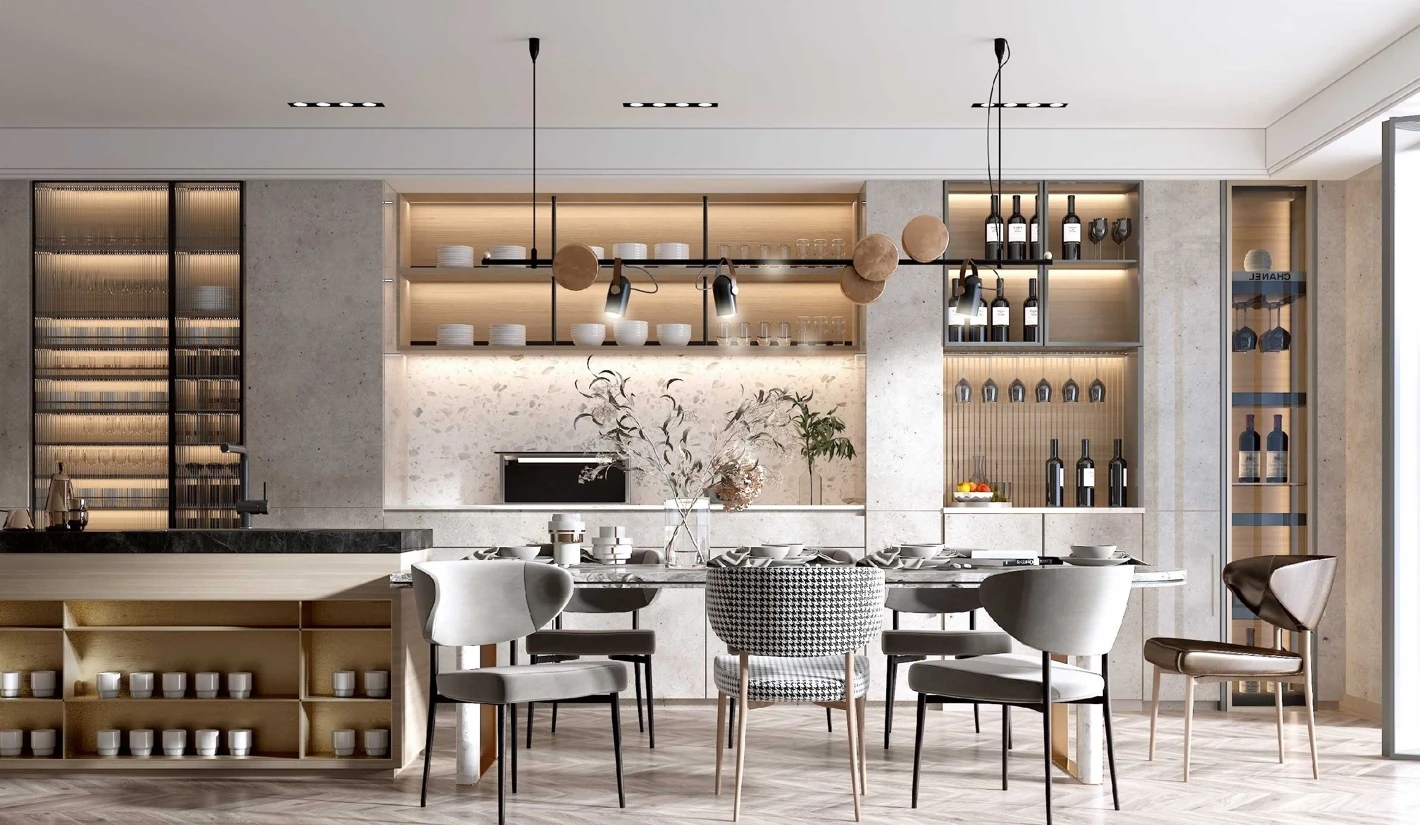
Under-Sink Water Dispenser Solution for Bar
Saves countertop space: easy to install under almost any sink
In modern home design, the water bar area has become an increasingly popular feature. It serves as a space for family members and guests to dine, socialize, and experience the comfort and style of contemporary living.
What is the water bar area?
The water bar area is a unique and multifunctional space, typically located in the kitchen, living room, or dining room. With countertops and specialized facilities, it creates a comfortable, practical, and social environment, catering to various needs such as drinking water, tea and coffee brewing, relaxation, and storage.

Types of Water Bar Areas
1. Home Water Bar Area
A home water bar often uses the countertop of a sideboard or cabinet to form a dedicated zone for beverages. It usually includes:
- A water dispenser, coffee machine, or thermos on the counter
- A wall-mounted rack for storing water glasses and coffee mugs
- Upper and lower cabinets for organizing tea, coffee, milk powder, and more
- A built-in sink for easy cup and teapot cleaning
- Under-sink installations like water purifiers or instant hot water dispensers to keep the counter clutter-free
This setup blends seamlessly into the home, combining functionality with elegant simplicity.

2. Office Water Bar Area
In offices, the water bar area becomes a hub for informal meetings, afternoon tea breaks, or welcoming guests. It may include:
- Sofas or booth seating for a relaxed vibe
- A full-featured bar offering coffee, drinks, and snacks
- A multifunctional faucet capable of dispensing filtered, boiling, chilled, and sparkling water
The emphasis here is on creating a comfortable and inviting space that fosters productivity, creativity, and communication.

The sink faucet can provide filtered, boiling, chilled, and sparkling water. This multifunctional faucet is the core of the entire office bar area.
Key Design Considerations for a Water Bar
1. Functional Layout
A well-designed water bar should have a logical and efficient layout to meet users' needs. The workflow should be carefully planned, ensuring that key areas are properly arranged, such as:
- Preparation area – for storing ingredients and supplies.
- Mixing area – for making coffee, tea, and other beverages.
- Supply area – for serving drinks and placing essential equipment.
Additionally, the placement of sinks, water dispensers, coffee machines, and other appliances should be strategically planned for easy access and functionality.

2. Material Selection
The materials used in the water bar should be durable, water-resistant, and easy to clean, as the space is frequently exposed to moisture and spills. Suitable materials include:
- Stone (granite, marble, quartz) – durable and stylish.
- Stainless steel – corrosion-resistant and easy to maintain.
- Artificial stone – smooth, non-porous, and low maintenance.
- Glass – sleek and modern for decorative elements.
Given the frequent use of the water bar, materials should also be scratch-resistant and wear-resistant to ensure long-lasting performance.


3. Lighting Design
Proper lighting enhances both the practicality and aesthetics of the water bar. The choice of lighting should complement the overall interior style while providing adequate illumination. Options include:
- Pendant lights – stylish and functional for a modern look.
- Recessed lighting – discreet and effective for task lighting.
- LED strip lights – ideal for under-cabinet or shelf lighting to create ambiance.
Good lighting not only improves visibility but also enhances the atmosphere and overall visual appeal of the water bar.

4. Storage Space & Display Area
A well-organized water bar requires sufficient storage and display space. Consider incorporating:
- Cabinets & drawers – for storing coffee, tea, milk powder, and other essentials.
- Shelves & display racks – to showcase wine bottles, cups, and decorative items.
- Glass cabinets – to create an elegant display while protecting items from dust.
A combination of concealed storage and open display ensures both functionality and aesthetics.

5. Socket Design & Electrical Safety
(1) Quantity & Placement
The number and placement of electrical outlets should be carefully planned to accommodate appliances such as water dispensers, coffee machines, and kettles. A typical water bar should have at least 4-5 five-hole sockets, distributed conveniently across the bar area.
(2) Safety Considerations
- Ensure all outlets comply with local electrical safety regulations.
- Use waterproof and high-quality sockets to prevent electrical hazards.
- Install outlets at a safe distance from water sources to avoid contact with moisture.
(3) Concealment & Aesthetic Integration
To maintain a clean and organized appearance, sockets and wiring should be concealed within the bar's structure, reducing visual clutter.

6. Water & Drainage System Design
(1) Drainage System
A proper drainage system is essential to collect and dispose of wastewater efficiently. Install drainage pipes and sewers that comply with building regulations and direct water to appropriate disposal facilities.
(2) Anti-Overflow Measures
To prevent water from spilling over the bar counter, consider:
- Waterproof edges or sloped surfaces around the sink and work area.
- Proper sealing and drainage channels to manage water flow effectively.
(3) Drinking Water Supply
A direct drinking water supply is a key feature of any modern water bar. To ensure clean and safe drinking water, consider installing:
- A water filtration system for purified drinking water.
- A multifunctional faucet that provides boiling water, chilled water, and sparkling water, serving as the core equipment of the water bar.


