

Is Tap Water in Italy Drinkable?
What Consumers Believe vs. What the Data Shows
[2025-12-17] | By Xiamen Smart Water Technology Co., Ltd. Allen Huang
Table of Contents
- Is Tap Water in Italy Safe to Drink?
- Why Do Italians Still Prefer Bottled Water?
- Italy's Bottled Water Consumption in a European Context
- The Environmental Cost of Bottled Water
- Official Water Quality Data in Italy
- Taste, Trust, and the Role of Filtration
- How 5 in 1 Kitchen Taps Solve Real Consumer Concerns
- Key Data at a Glance
- What This Means for Brands and Distributors
- FAQs
- Call to Action
Yes-tap water in Italy is generally safe to drink.
In fact, Italy ranks among the top five countries in Europe for tap water quality, following Austria, Sweden, Ireland, and Hungary. Public water supplies across most regions meet strict European Union drinking water standards.
Yet despite this high quality, Italy remains one of the world's largest consumers of bottled water. This contrast between actual safety and public perception is at the heart of the discussion.
If Italian tap water is safe, why do people avoid it?
According to consumer research by CSA Research:
- Only 29.2% of Italians drink tap water daily
- 43.3% rely exclusively on bottled water
- Average bottled water consumption reaches 208 liters per person per year
The reasons are not safety-related-but perception-driven:
- 29% dislike the taste of tap water
- Around 40% say they do not trust it
- Nearly 30% believe bottled water is safer
In short, this is not a quality issue-it's a taste and confidence issue.
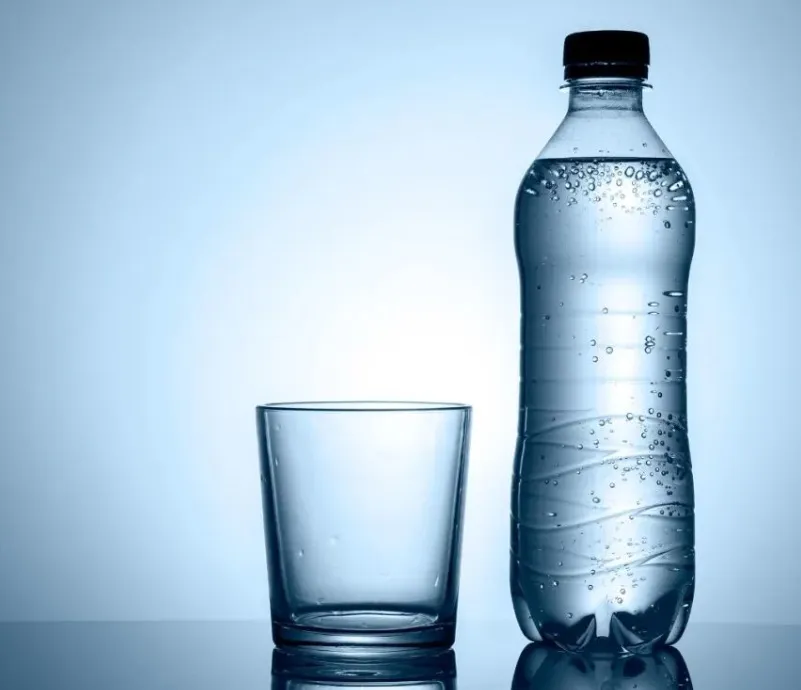
Italy leads Europe in bottled water consumption, but it is not alone.
| Country | Annual Bottled Water Consumption (Liters per Capita) |
|---|---|
| Italy | 208 L |
| Germany | 167 L |
| Portugal | 140 L |
| Hungary | 138.8 L |
| Spain | 135.4 L |
Across the European Union:
- 48% of all non-alcoholic beverages consumed in 2022 were bottled water
- Northern Europe shows a strong preference for sparkling water, accounting for nearly 80% of consumption
This trend reflects lifestyle habits rather than water safety.
The popularity of bottled water comes with a serious environmental impact.
Key figures:
- Globally, around 480 billion plastic bottles are used every year
- Roughly half are water bottles
- EU citizens generate 36.1 kg of plastic packaging waste per person annually
- Across the EU, this equals 16.13 million tonnes of plastic packaging waste
- Only 6.56 million tonnes are recycled
The EU has set ambitious goals:
- 55% plastic packaging recycling by 2030
- 25% recycled plastic content in PET bottles by 2025
- 30% recycling rate for all plastic beverage bottles by 2030
Reducing bottled water dependence is a critical part of meeting these targets.

To improve public trust, Italy has invested heavily in monitoring water quality.
Between 2020 and 2022:
- Over 2.5 million chemical and microbiological tests were conducted
- Testing covered 18 regions and 90% of the population
- 99.1% of samples met legal drinking water standards
- 98.4% met additional parameters affecting taste, smell, and appearance
From a scientific and regulatory standpoint, Italian tap water is not just safe-it is highly controlled.
So where does the gap come from?
In many regions, tap water may contain:
- Natural minerals
- Residual chlorine used for disinfection
- Variations in hardness depending on location
These factors do not affect safety-but they do affect taste.
This is where modern under-sink filtration systems and multi-function kitchen taps change the equation.
A 5 in 1 kitchen tap combines multiple water options in one system:
- Filtered water
- Hot water
- Cold water
- Chilled water
- Sparkling water (optional)
For Italian households and commercial users, this means:
- Better-tasting water directly from the tap
- Reduced reliance on bottled water
- Higher confidence in daily drinking water
- Less plastic waste
- Improved kitchen efficiency and aesthetics
From a market perspective, 5 in 1 taps align perfectly with sustainability trends, urban living, and premium kitchen upgrades.
| Category | Key Insight |
|---|---|
| Tap Water Safety | 99.1% compliance with standards |
| Bottled Water Use | 208 L per capita per year in Italy |
| Main Concern | Taste and trust, not safety |
| Environmental Impact | 480B plastic bottles/year globally |
| Solution Trend | Filtered, multi-function kitchen taps |
The Italian market-and much of Europe-is ready for a shift:
- From bottled water to filtered tap water
- From single-function taps to 5 in 1 kitchen tap systems
- From disposable plastic to sustainable, built-in solutions
As a China-based 5 in 1 kitchen tap ODM manufacturer, Xiamen Smart Water Technology works with international brands to:
- Develop customized multi-function tap systems
- Integrate filtration, chilling, and sparkling modules
- Meet EU compliance and market expectations
- Scale efficiently for wholesale and distribution
Is tap water in Italy drinkable everywhere?
In most regions, yes. Local variations may affect taste, but safety standards are consistently high.
Why does Italian tap water sometimes taste different?
Mineral content and chlorine treatment can affect flavor, not safety.
Is filtered tap water better than bottled water?
In many cases, yes-filtered tap water offers comparable or better taste with far less environmental impact.
Why are 5 in 1 kitchen taps popular in Europe?
They combine convenience, sustainability, and premium kitchen design in one solution.
Can 5 in 1 kitchen taps reduce bottled water use?
Significantly. Many households stop buying bottled water altogether after installation.
Looking to develop or expand your 5 in 1 kitchen tap product line for the European or global market?
Xiamen Smart Water Technology Co., Ltd. is a trusted ODM manufacturer behind leading international under-sink drinking water system brands.
Contact us today to explore ODM manufacturing, distribution partnerships, or wholesale cooperation-and turn tap water trust into a competitive advantage for your brand.