
Hydrogen Water: Extra Healthy or a Hoax? A Deep Dive Into the Clinical Evidence
Author: [2026-06-04] | By Xiamen Smart Water Technology Co., Ltd. Allen Huang
Walk into any high-end gym, wellness clinic, or modern corporate kitchen today, and you are bound to see someone drinking hydrogenated water. Promoted as everything from an elite athletic recovery aid to a cellular fountain of youth, molecular hydrogen (H2) has officially taken the global health and wellness market by storm.
But whenever a health trend explodes this quickly, it is only natural to ask: Is there actual science here, or are we just looking at overpriced tap water packaged in clever marketing?
To get to the bottom of this, we looked at the peer-reviewed data. A systematic review tracking human clinical trials registered under PROSPERO (CRD42023445460) evaluated 30 distinct clinical studies to determine exactly what hydrogen-rich water (HRW) does inside the human body.
Here is what the clinical data actually tells us, stripped of the marketing fluff, along with the engineering realities of how this water is produced.
Hydrogen water-which is ordinary water with added dissolved hydrogen-is neither a panacea nor a complete scam. Preliminary small clinical studies suggest that hydrogen water has mild antioxidant and anti-inflammatory effects. However, claims that hydrogen water can cure diseases or reverse aging are greatly exaggerated.
Table of Contents
- What Exactly is Hydrogen-Rich Water?
- The Biological Mechanism: How H2 Crosses Cell Barriers
- The Clinical Breakdown: What the Studies Show
- How Hydrogen Water Compares to Other Wellness Supplements
- The Hardware Problem: Why Hydrogen Dissolution is an Engineering Challenge
- Frequently Asked Questions (FAQs)
- B2B Commercial Partnership Opportunities
Hydrogen-rich water is standard, purified drinking water that has been infused with extra molecules of dissolved molecular hydrogen gas H2.
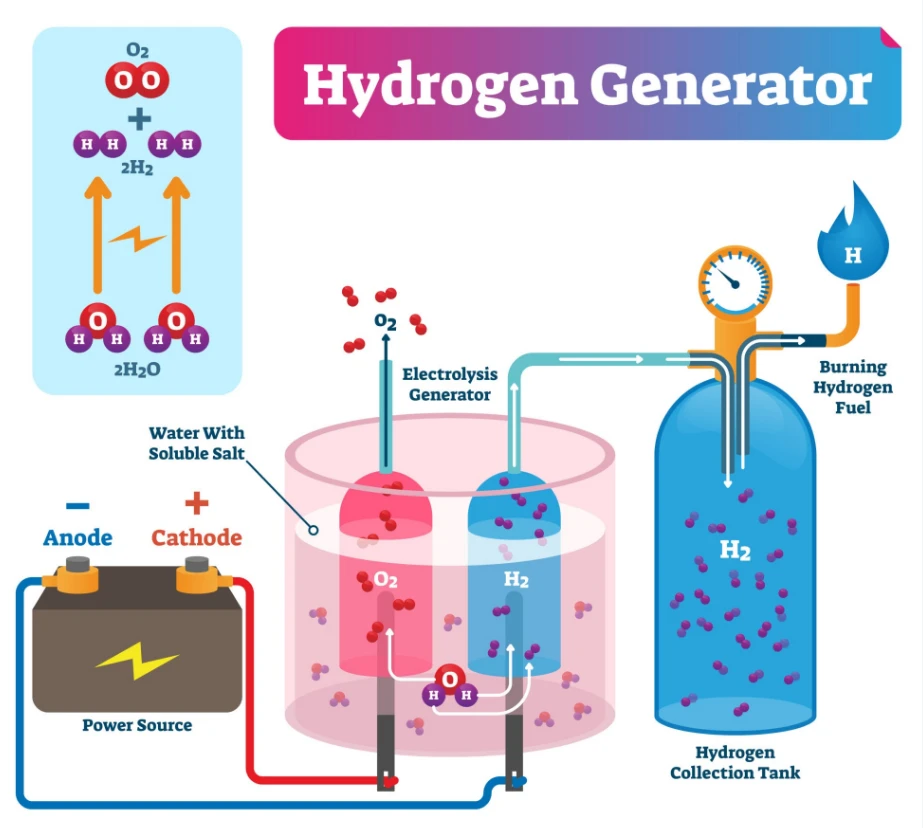
Do not confuse this with the hydrogen atoms bound to oxygen that form the water molecule H2 itself. In standard water, those hydrogen atoms are locked in a chemical bond. In hydrogenated water, free gas molecules H2 are forced into solution under pressure or created via specialized electrolysis systems.
Because hydrogen is the smallest and lightest element in the universe, these un-bonded molecules move freely, allowing them to remain dissolved temporarily before escaping into the atmosphere.
Most standard antioxidants are massive, complex molecules. Vitamin C and Vitamin E, for example, have high molecular weights that make it difficult for them to pass quickly through cellular membranes. They often rely on specific transport pathways to get where they are needed.
Molecular hydrogen operates on a completely different scale. Because it is microscopic, it diffuses effortlessly through cell walls, the blood-brain barrier, and deep into cellular organelles like the mitochondria.
The primary target of intracellular hydrogen is Fe-porphyrin (iron-porphyrin) inside the mitochondria. In high-stress or disordered cellular states, hydrogen works right at the core of the electron transport chain, neutralizing highly reactive toxic free radicals (specifically hydroxyl radicals) and converting them into harmless water molecules H2. This prevents cellular damage without disrupting the beneficial reactive oxygen species (ROS) your body uses for cellular signaling.
The PROSPERO systematic review evaluated human-only trials, moving past early animal testing to look at concrete clinical outcomes in real people.
When athletes exert themselves intensely, their muscles experience brief periods of low oxygen and rapid metabolic shifts, leading to a build-up of lactic acid and acute oxidative stress.
Cyclist Performance: In a study observing trained cyclists over seven days, the consumption of nano-bubble hydrogen-rich water significantly improved anaerobic performance and sprint power compared to untrained control groups.
Lactic Acid & Ventilation: Pre-workout hydration with hydrogen water demonstrated a clear reduction in blood lactic acid accumulation during high-intensity intervals, along with a marked improvement in overall ventilatory efficiency.
The Biomarkers: A two-month trial focusing on juvenile female soccer players revealed changes in recovery markers. The group drinking hydrogenated water showed a drop in serum malondialdehyde (a primary marker of oxidative stress) from 13.80 ± 3.33 to 12.69 ± 1.94 μM. Crucially, their pro-inflammatory cytokines-specifically Interleukin-1 (IL-1), Interleukin-6 (IL-6), and Tumor Necrosis Factor-α (TNF-α)-rose significantly slower than the control group, indicating a highly suppressed inflammatory response to intense physical training.
Metabolic syndrome, hyperlipidemia, and early-stage arterial stiffness are heavily linked to chronic, low-grade vascular inflammation. Clinical trials on hydrogen water have returned notable metrics in these areas:
The Lipid Profile Shift: In a 10-week study tracking individuals with high cholesterol, drinking hydrogenated water led to a total cholesterol drop from an average of 6.42 mM down to 5.47 mM. Interestingly, the positive effects were most pronounced in smokers, who saw their serum triglycerides decrease from 2.93 mM down to 2.3 mM, while non-smokers stayed relatively stable.
Metabolic Syndrome Markers: An eight-week clinical trial tracking patients with early-stage metabolic syndrome who consumed 1.5 to 2.0 Liters of hydrogen water daily recorded a 39% increase in antioxidant superoxide dismutase (SOD) activity and a 43% drop in thiobarbituric acid reactive substances (TBARS) in their urine. HDL ("good") cholesterol rose by 8%.
High-Concentration Interventions: A separate double-blind, randomized trial utilizing high-concentration hydrogen water (exceeding 5.5 millimoles of H2 per day) showed improvements in fasting blood glucose, a decrease in body mass index (BMI), improved waist-to-hip ratios, and a drop in overall hemoglobin A1c (HbA1c) over 60 days.
Mental Health and Neuro-Inflammation
The connection between systemic inflammation and mood disorders like anxiety and depression is a major focus of modern neurology.
Mood Elevation: Healthy adults who consumed hydrogen-rich water for four consecutive weeks reported improvements in general mood scores and reduced baseline anxiety.
Cytokine Reductions in Chronic Stress: In a three-month trial tracking women experiencing severe panic symptoms, the group given 1,500 mL of hydrogenated water daily alongside standard psychological treatment showed systemic drops in blood inflammatory markers compared to the placebo group. Specifically, their IL-1β levels fell from 94.1 to 65.5, and TNF-α dropped from 74.5 down to 49.25, leading to notable improvements in physical pain management and daily vitality.
Liver and Kidney Function
Because the liver and kidneys process metabolic waste, they bear the brunt of oxidative tissue damage.
Chronic Hepatitis B: Patients drinking 1,200 to 1,800 mL of hydrogen-rich water daily showed decreased oxidative stress and reduced HBV DNA viral loads over the course of treatment.
Non-Alcoholic Fatty Liver Disease (NAFLD): A randomized, placebo-controlled study tracking NAFLD patients over eight weeks showed significant reductions in liver fat accumulation and an average body weight loss of roughly 1 kg in the treatment group, showing its potential as an lifestyle-driven therapy.
Dialysis Treatment Support: For patients undergoing chronic hemodialysis, the integration of electrolyzed hydrogen-rich water (EHW) into their sessions helped stabilize Blood Urea Nitrogen (BUN) levels and reduced chronic fatigue on both treatment days and rest days by stabilizing autonomic nervous system functions.
Hydrogen water does not replace macro-nutrients or herbal active ingredients; instead, it provides an baseline environment that helps cells function efficiently.
| Supplement Type | Primary Biological Purpose | Potential Downsides / Limitations | Synergy with Hydrogen Water |
| Hydrogen-Rich Water | Selective cellular antioxidant; reduces systemic micro-inflammation directly inside the mitochondria. | Must be consumed fresh; requires specialized, high-grade electrolysis hardware. | Acts as a clean baseline fluid that maximizes the absorption and efficiency of other nutrients. |
| Protein Powder | Supplies amino acids for skeletal muscle tissue repair and lean mass synthesis. | High daily intake over prolonged periods can increase metabolic processing load on the kidneys. | Hydrogen reduces the post-workout inflammation, helping muscles process nutrients efficiently. |
| Herbal Supplements | Focuses on targeted symptom management (e.g., Ginkgo Biloba for cognitive processes, Saffron for mood stability). | Wide variations in bioavailability, quality control, and potential liver processing overhead. | Hydrogen minimizes cellular oxidative stress, allowing herbal compounds to function cleanly. |
| Vitamins (C & E) | Traditional broad-spectrum antioxidant protection and immune system regulation. | High doses can accidentally neutralize beneficial free radicals that the body needs for cell signaling. | Hydrogen selectively targets only toxic radicals (OH), leaving helpful signaling molecules completely untouched. |
This is where the distinction between a high-end commercial wellness system and generic "hype" becomes apparent. Because hydrogen gas is incredibly light, you cannot simply pump it into water and expect it to stay there. Without proper engineering, the gas bubbles out of solution immediately, leaving you with standard water.
Achieving a stable, highly concentrated supersaturated hydrogen solution requires precision engineering:
Solid Polymer Electrolyte (SPE) & Proton Exchange Membrane (PEM) Technology: True hydrogen systems use SPE/PEM membranes to split water molecules. This processes pure H2 into the drinking water while completely isolating and venting away ozone, chlorine, and oxygen.
Pressure and Flow Management: To maximize the gas saturation level, the hydrogen must be introduced under precisely regulated pressures inside an isolated chamber before dispensing.
This level of manufacturing complexity is why global appliance brands do not build these systems from scratch. They partner with specialist original design manufacturers.
Xiamen Smart Water Technology Co., Ltd.
As a specialist Sparkling Water Tap Manufacturer and global ODM partner, we design under-sink dispensing systems that merge advanced water carbonation with hydrogen dissolution. A commercial-grade kitchen faucet must deliver clean, consistent performance with zero chemical variance.
To ensure our systems fit the strict safety frameworks required by premium international brands, our manufacturing processes follow rigid quality controls:
System Standards: We operate entirely under ISO9001 and ISO14001:14001 SGS design and environmental guidelines.
Global Safety Certifications: Our internal electronics and water pathways hold full UL, CB, CE, GS, ERP, UKCA, RoHS, REACH, PAHS, and SCCP compliance.
Material and Plumbing Clearances: To guarantee heavy-metal-free, food-grade delivery, our systems match regional standards worldwide, including BSMI, Safety Mark, RCM, WRAS, NSF, KTW, and WaterMark certifications.
Q: If I leave hydrogen water sitting in a glass, how long does it last?
A: Because hydrogen is incredibly small, it will naturally escape into the air. Typically, a glass of hydrogen water will lose about 50% of its gas concentration within one to two hours. For the best clinical results, it should be consumed directly from the tap or stored in a sealed, vacuum-insulated aluminum container with no air gap.
Q: Can a standard sparkling water tap also dispense hydrogen water?
A: Carbonation (adding CO2) and hydrogenation (adding H2 are completely different chemical processes. Carbon dioxide dissolves easily and forms carbonic acid, while hydrogen gas requires specialized SPE/PEM electrolysis cells to stay in solution. Our advanced multi-function under-sink systems are custom-engineered to deliver chilled, sparkling, boiling, or hydrogenated water from a single tap.
Q: How do you measure the concentration of hydrogen in water?
A: True hydrogen-rich water is measured in parts per million (ppm) or parts per billion (ppb). Standard therapeutic systems aim for a concentration between 1.0 ppm and 1.6 ppm mg/L. Testing is done using specialized electrochemical gas sensors or selective methylene blue drops.
The international demand for health-focused, smart kitchen appliances is accelerating. High-net-worth consumers, corporate wellness offices, and luxury residential projects are transitioning away from plastic bottles toward integrated, multi-functional under-sink water systems.
At Xiamen Smart Water Technology Co., Ltd., we operate as the invisible engineering force behind many of the world's leading drinking water system brands. We do not compete with our clients; we support them with premium ODM manufacturing, turnkey product development, and reliable wholesale distribution.
Why Partner With Us?
Proven Design Expertise: Transition from initial concept to a fully certified, market-ready product line smoothly.
Rigorous Quality Control: Eliminate cross-border compliance headaches with pre-certified platforms holding NSF, WRAS, CE, UL, and WaterMark approvals.
Comprehensive Scale: We offer reliable production lines optimized for high-volume wholesale partnerships and brand product launches.
Whether you are looking to add high-concentration hydrogen modules to your existing product lines or develop an all-in-one commercial sparkling water tap system, our global engineering team is ready to deliver.
Secure Your Next Market Expansion
Let's build hardware that sets your brand apart. Contact our engineering and B2B wholesale team today to request product blueprints, compliance documentation, or project factory quotes.
Official Website: www.kitchenwatertap.com
Partnership Scope: Brand ODM Manufacturing, International Wholesale, Regional Distribution Networks.