
Is Tap Water in Russia Safe to Drink? What You Should Know Before Drinking It
Updated: [2025-10-09] | By Xiamen Smart Water Technology Co., Ltd. Allen Huang
The tap water in most major Russian cities is pure and meets drinking water standards, but it is still not recommended to drink directly. Tap water in different regions often contains different chemicals, which may sometimes exceed the standard. Long-term drinking may have potential health effects.
Menu
- Overview: Russia's Water Supply Situation
- Is Russian Tap Water Safe to Drink?
- Common Problems with Tap Water in Russia
Heavy Metals
Chlorination and Chemical Residues
Hard Water
4. Expert Advice: How to Make Russian Tap Water Safer
5. Why a Filtered Boiling Tap Is a Smart Solution
6. Recommended Water Quality Parameters (Table)
7. FAQ
Russia holds nearly one-fourth of the world's freshwater resources, yet millions of its citizens still struggle to access clean drinking water. According to official reports, around 11 million Russians consume water that fails to meet hygiene standards, and 17% of Russia's tap water doesn't comply with sanitary norms.
While cities like Moscow and St. Petersburg have improved water treatment facilities, many regions still rely on aging pipes and traditional chlorination systems, leading to contamination risks and inconsistent water quality.
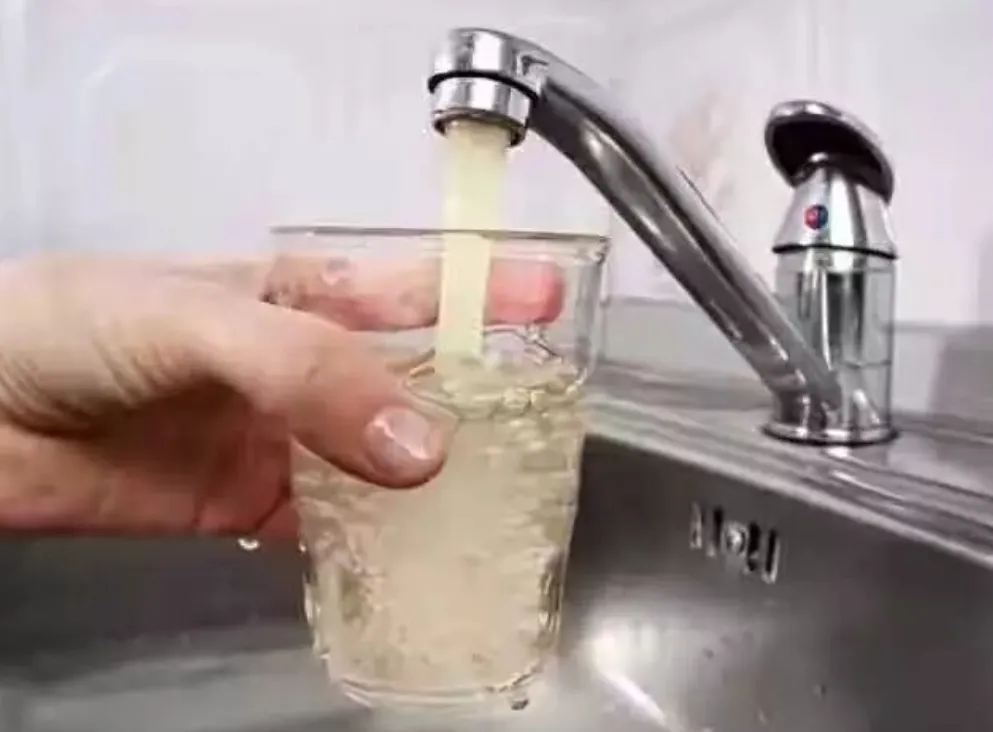
Technically, most of Russia's tap water is treated and disinfected before reaching households. However, due to old infrastructure and possible contamination in local pipes, experts generally recommend filtering and boiling water before drinking it.
In urban areas, the water might appear clear but still contain hard minerals, residual chlorine, or traces of metals, which can affect both health and taste.
In short:
Tap water in Russia is not always safe to drink directly, but filtered and boiled water is generally safe for daily use.
Heavy Metals
Some users worry about mercury or lead contamination. While trace amounts of heavy metals can be found in various sources, the concentration in treated municipal water is usually below 0.0005 mg/L, which is within national safety limits. However, contamination can occur through old household pipes, especially in older buildings.
Chlorination and Chemical Residues
Most Russian water systems still use liquid chlorine for disinfection. Some major cities have started switching to sodium hypochlorite, a safer alternative. While this process kills bacteria effectively, chlorine can react with organic matter to produce chlorinated byproducts, sometimes resulting in an unpleasant taste or odor.
Hard Water
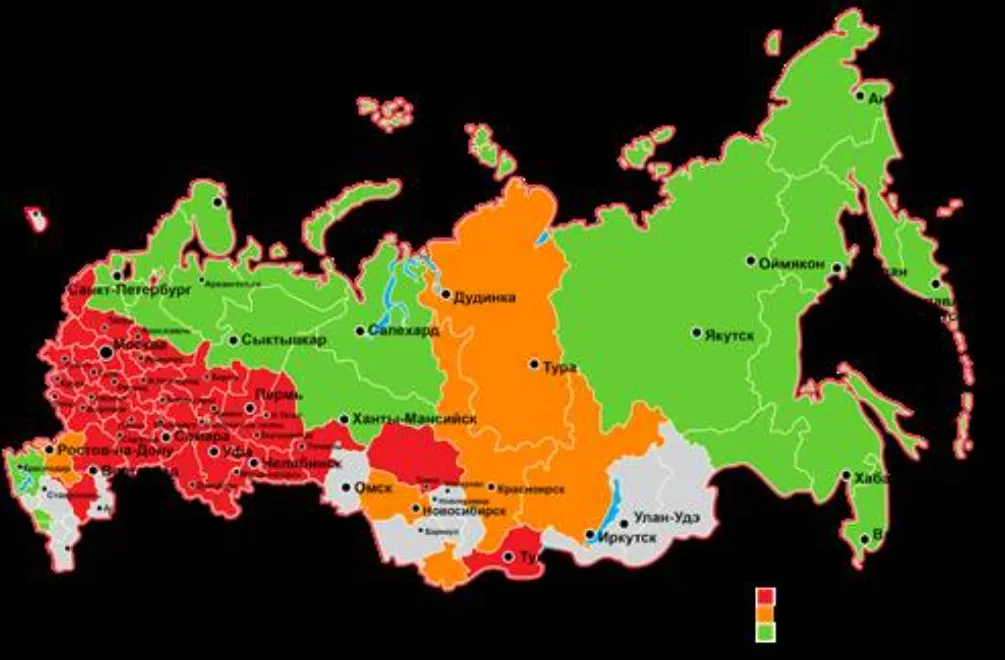
Much of Russia's water is hard water, rich in calcium and magnesium ions. Hard water doesn't lather easily with soap, can leave mineral stains, and might cause dry skin or acne. Over time, it can also lead to scale buildup in kettles and appliances.
Here's an overview of the general hardness across Russian regions:
- Red zones: Very hard water
- Yellow zones: Moderately hard water
- Green zones: Softer water

If you're living in or visiting Russia, here are a few practical tips from water safety specialists:
| Step | Action | What to Look For | Recommended Solution |
|---|---|---|---|
| 1 | Pour a glass of cold tap water | Check for odor | If it smells odd, use a professional water filter |
| 2 | Taste test | Any chemical or metallic taste? | Use a Filtered Boiling Tap or under-sink filtration system |
| 3 | Visual inspection | Clear water with no sediments? | If yes, filter and boil before drinking |
Even if your tap water seems fine, it's best to filter it first and boil it before drinking.
For households, offices, and hospitality businesses in Russia, investing in a Filtered Boiling Tap is one of the most convenient ways to ensure safe drinking water.
Advantages of a Filtered Boiling Tap:
- Instantly dispenses filtered, boiling water for tea, coffee, or cooking.
- Removes chlorine, heavy metals, and micro-impurities effectively.
- Reduces scale buildup caused by hard water.
- Saves energy and space with an integrated under-sink filtration system.
- Promotes healthier, cleaner, and more enjoyable hydration.
Xiamen Smart Water Technology Co., Ltd. is a leading Filtered Boiling Tap manufacturer and ODM supplier behind many international drinking water system brands. We design and produce under-sink filtered water systems that meet global standards for quality and safety.
| Parameter | Safe Limit (mg/L) | Common Issue in Russia | Notes |
|---|---|---|---|
| Mercury (Hg) | ≤ 0.0005 | Rare | Below harmful level in most cities |
| Chlorine (Cl₂) | ≤ 0.3 | Moderate | May cause odor or taste |
| Calcium + Magnesium | ≤ 200 | High in most regions | Causes water hardness |
| Iron (Fe) | ≤ 0.3 | Possible in older pipes | May discolor water |
| pH Value | 6.5 – 8.5 | Varies | Slightly acidic in some areas |
Q1: Can you drink tap water directly in Moscow or St. Petersburg?
A: It's technically safe but not recommended. Use a Filtered Boiling Tap or filter before drinking.
Q2: Why does Russian tap water taste or smell like chlorine?
A: Chlorine is used to disinfect the water supply. Filtering can remove the smell and taste.
Q3: Is bottled water safer than tap water in Russia?
A: Bottled water is convenient but not necessarily purer. Using a Filtered Boiling Tap gives you safe, clean, and sustainable water anytime.
Q4: How can I improve the taste of tap water?
A: A Filtered Boiling Tap or under-sink filtration system can effectively remove unpleasant tastes and odors.
Upgrade your kitchen with a Filtered Boiling Tap from Xiamen Smart Water Technology Co., Ltd..
✅ Ensure pure, great-tasting water in every cup.
✅ Perfect for homes, offices, and hotels.
✅ ODM & wholesale partnerships welcome!
👉 Contact us today to discuss your brand's next-generation under-sink water system.