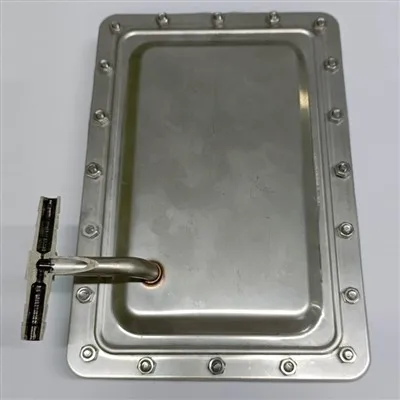
A stainless steel heating tank in a water dispenser is an excellent choice due to its durability, safety, and efficiency. Stainless steel is preferred for heating tanks because it resists corrosion, does not impart any flavors or chemicals to the water, and can handle high temperatures effectively.
Custom Water Dispenser Heating Liner
Automatic laser welding
Quality assurance
Fast delivery
Send Inquiry
Download
Description
Technical Parameters
Water Dispenser Liner – Custom Stainless Steel Heating Tank Insert for Hot Water Systems
Our Water Dispenser Liner is a high-performance, stainless steel tank insert designed to improve the efficiency, insulation, and safety of your water heating system. Ideal for use in instant hot water dispensers, this double-layer vacuum-insulated liner is manufactured with automatic laser welding for leak-proof performance and long-lasting durability.
Key Features
Double-Layer Vacuum Structure
Maintains water temperature above 75°C for over 8 hours with up to 75% insulation efficiency
High-Grade 304 Stainless Steel
Rustproof, scale-resistant, and safe for drinking water
Automatic Laser Welding
Ensures a watertight, high-precision finish with consistent quality
Enhanced Safety
Built-in temperature and pressure protection to prevent overheating or rupture
Custom Sizes Available
OEM and ODM manufacturing options to meet specific product needs
Product Description
A Water Dispenser Liner is the core heating component inside a hot water dispenser, responsible for holding and maintaining hot water. Our custom stainless steel liners are crafted with a double-layer vacuum insulation design, which significantly reduces heat loss by preventing air-based convection and conduction.
This structure keeps water hot for longer periods-maintaining over 75°C for more than 8 hours-boosting the energy efficiency and convenience of your dispenser.
Material & Build Quality
Material: Premium 304 stainless steel
Process: Precision laser welding with no leaks or weak points
Insulation: Double-layer vacuum insulation with high thermal retention
Safety & Hygiene
No harmful chemicals or metallic taste in water
Polished inner tank with no dead corners-easy to clean, hygienic
Built-in temperature control and safety valves to avoid pressure-related accidents
Resists corrosion, scaling, and cracking under high temperatures
Applications
Instant hot water dispensers
Water boilers
Electric water heaters
Kitchen water heating systems
Commercial beverage equipment
professional manufacturer of custom water dispenser liners
We are a professional manufacturer of custom water dispenser liners and stainless steel inner tanks for hot water systems. Our production facilities meet strict international standards:
A: A water dispenser liner is a protective inner layer that prevents direct contact between the water and the dispenser's interior surfaces. This liner helps maintain water quality by minimizing contamination from materials like plastic or metal. It also aids in insulation, ensuring the water remains at the desired temperature, whether hot or cold.
Q: What materials are commonly used for water dispenser liners?
A: Water dispenser liners are typically made from food-grade plastics, silicone, or stainless steel. These materials are chosen for their safety, durability, and resistance to corrosion. Food-grade plastics, like polyethylene or polypropylene, are lightweight and easy to mold, while stainless steel offers longevity and is less likely to leach harmful substances into the water.
Q: How does a water dispenser liner improve hygiene?
A: A water dispenser liner enhances hygiene by acting as a barrier against bacteria and contaminants. It is designed to be non-porous, which means it doesn't harbor microorganisms like traditional materials might. Additionally, many liners are easy to clean and disinfect, further reducing the risk of contamination and ensuring that the water remains safe for consumption.
Q: Can water dispenser liners affect the taste of water?
A: Yes, the material of a water dispenser liner can influence the taste of water. High-quality, food-grade liners are designed to be neutral in flavor, while cheaper or lower-quality materials may impart a plastic or metallic taste. Using a liner that meets safety standards ensures that the water's taste remains pure and unaffected by the dispenser's construction.
Q: What are the signs that a water dispenser liner needs replacing?
A: Signs that a water dispenser liner may need replacing include discoloration, a change in water taste, or visible wear such as cracks or tears. If there are persistent odors or a buildup of contaminants that cleaning cannot remove, it's advisable to inspect the liner. Regular maintenance checks can help catch these issues early and ensure water quality.
Q: How do I clean a water dispenser liner effectively?
A: To clean a water dispenser liner, first, empty the dispenser and remove the liner if possible. Use a mixture of warm water and mild detergent to scrub the liner gently, avoiding harsh chemicals that could damage the material. Rinse thoroughly with clean water and let it air dry completely before reinserting it into the dispenser to prevent any residual contaminants.
Q: Are there any environmental concerns with water dispenser liners?
A: Yes, environmental concerns exist regarding the materials used in water dispenser liners. Many disposable plastic liners contribute to landfill waste. However, manufacturers are increasingly producing eco-friendly options made from biodegradable materials or recyclable plastics. It's essential to choose a liner that aligns with sustainable practices to minimize environmental impact.
Q: What is the lifespan of a typical water dispenser liner?
A: The lifespan of a water dispenser liner varies based on the material and usage conditions. High-quality liners can last several years with proper maintenance, while lower-quality options may need replacement within a year. Regular inspections and cleaning can prolong the liner's life, ensuring it remains effective and safe for water storage.
Q: Can I use any liner in my water dispenser?
A: Not all liners are suitable for every water dispenser. It's crucial to select liners specifically designed for your model to ensure proper fit and functionality. Using incompatible liners can lead to leaks, reduced efficiency, or compromised water quality. Always check the manufacturer's recommendations for compatible liners to ensure optimal performance.
Q: What are the benefits of using a stainless steel water dispenser liner?
A: Stainless steel liners offer several benefits, including durability, corrosion resistance, and easy maintenance. They do not retain odors or flavors, ensuring that water tastes fresh. Additionally, stainless steel is highly recyclable, making it a more environmentally friendly option compared to some plastics. Its robust nature also contributes to the overall longevity of the dispenser.
Q: How do water dispenser liners contribute to temperature retention?
A: Water dispenser liners, especially those made with insulating materials, help maintain the desired temperature of the water inside the dispenser. By minimizing heat exchange with the environment, these liners can keep hot water hot and cold water cold for extended periods. This thermal efficiency is essential for ensuring that users enjoy their beverages at the optimal temperature.
Q: Are there specific cleaning products I should avoid for water dispenser liners?
A: Yes, avoid cleaning products that contain harsh chemicals, bleach, or abrasives, as these can damage the liner material. Instead, opt for mild detergents or natural cleaning solutions like vinegar and baking soda, which effectively clean without harming the liner. Always read the manufacturer's instructions for recommended cleaning practices to maintain the liner's integrity.
Q: How do I ensure proper installation of a water dispenser liner?
A: To ensure proper installation, carefully follow the manufacturer's guidelines included with the liner. Begin by thoroughly cleaning the dispenser's interior, then align the liner according to the designated slots or guides. Make sure it fits snugly without gaps to prevent leaks. After installation, check for proper sealing and perform a test run with water to ensure functionality.
Q: What role do water dispenser liners play in energy efficiency?
A: Water dispenser liners enhance energy efficiency by minimizing heat loss and maintaining water temperatures. Insulated liners reduce the need for dispensers to work harder to keep water at the desired temperature, thus consuming less energy. This not only lowers energy costs but also contributes to a more environmentally sustainable operation by reducing overall energy consumption.
Q: Can water dispenser liners be reused?
A: Yes, many water dispenser liners are designed to be reusable, provided they are properly cleaned and maintained. Reusable liners contribute to sustainability by reducing waste associated with disposable options. However, it's important to inspect them regularly for signs of wear or damage, as compromised liners may no longer provide effective protection or hygiene.
Q: What should I consider when purchasing a water dispenser liner?
A: When purchasing a water dispenser liner, consider factors such as material type, compatibility with your dispenser, ease of cleaning, and durability. Look for food-grade certifications to ensure safety. Additionally, consider the liner's insulation properties, as these will affect temperature retention. Reading reviews and checking for warranty options can also guide your purchasing decision.
Q: How does the thickness of a water dispenser liner affect performance?
A: The thickness of a water dispenser liner can significantly influence its performance. Thicker liners generally provide better insulation, helping maintain water temperature more effectively. They also tend to be more durable and resistant to wear and tear. However, excessively thick liners may not fit well in all dispensers, so it's essential to balance thickness with compatibility.
Q: Are there any health concerns associated with low-quality water dispenser liners?
A: Yes, low-quality water dispenser liners can pose health risks. Inferior materials may leach harmful chemicals into the water, compromising safety. They may also harbor bacteria due to poor construction or inability to withstand cleaning. It's crucial to invest in high-quality, certified liners to ensure the safety and quality of the water being dispensed.
Q: What innovations are emerging in water dispenser liner technology?
A: Innovations in water dispenser liner technology include the development of advanced antimicrobial materials that inhibit bacterial growth. Additionally, smart liners equipped with sensors can monitor water quality and temperature, providing real-time feedback. Eco-friendly materials, such as biodegradable plastics, are also gaining traction, reflecting a shift towards sustainability in product design and manufacturing.
Q: How can I maximize the lifespan of my water dispenser liner?
A: To maximize the lifespan of your water dispenser liner, perform regular cleaning to prevent buildup of contaminants and odors. Inspect the liner frequently for signs of wear or damage and replace it as needed. Avoid exposing the liner to extreme temperatures or harsh chemicals, and always follow the manufacturer's maintenance recommendations to ensure optimal performance and durability.