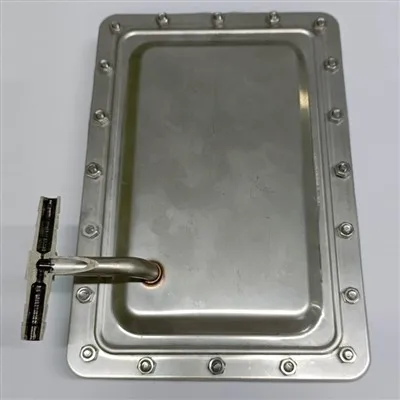
The water heater's inner tank is a crucial component of a water heating system. Typically made from materials like stainless steel, it holds the water and ensures it is heated efficiently and safely. This tank is designed to withstand high temperatures and resist corrosion, ensuring a long lifespan for the water heater unit.
304/316 stainless steel
Various sizes can be customized
Sealed and watertight
Safe and durable
High-temperature dry burning prevention
Sponge insulation
Send Inquiry
Download
Description
Technical Parameters
Product Description
Our products are an important part of the water heater, responsible for storing and heating water. Secondly, Water Heater Inner Tank is also equipped with multiple protection designs, including anti-dry burning, over-temperature protection, and a pressure safety valve. These safety measures can ensure that during safe use, even if abnormal situations occur, they can effectively prevent safety hazards, and users can use them with confidence.
Feature
Excellent thermal insulation performance
The design of our products focuses on thermal insulation performance. We use a 30 mm thick high-efficiency thermal insulation layer in the design, which can effectively reduce heat loss. After testing, the water temperature of our inner tank can be maintained above 65°C after heating, and the duration can reach 3 hours.
Excellent heating efficiency
The Water Heater Inner Tank is made of stainless steel with high thermal conductivity. The thermal conductivity of stainless steel can generally reach 15 W/m·K, which is 30% higher than traditional materials. Such thermal conductivity allows the heat generated by the heating element to be quickly transferred to the water body and can increase the heating speed.
How to choose
Material selection
The material of the Water Heater Inner Tank directly affects its service life and performance. Generally speaking, common materials include stainless steel, enamel and fiberglass. Among them, stainless steel has become the first choice for many people because of its excellent corrosion resistance and long service life (generally up to 15 years or more). In contrast, although enamel has a lower cost, it is prone to falling off after long-term use, affecting water quality and service life.
Safety performance
Safety is a factor that cannot be ignored when choosing a water heater. A high-quality Water Heater Inner Tank should have multiple safety protection functions, such as over-temperature protection, leakage protection, etc. These functions can automatically cut off the power or gas in abnormal situations to prevent accidents.
FAQ
Q: What is a Water Heater Inner Tank?
A: The Water Heater Inner Tank is the core component of a water heater, designed to store and heat water. It is typically made from materials such as stainless steel or glass-lined steel to prevent corrosion. This tank plays a crucial role in maintaining the water temperature and ensuring efficient operation of the entire heating system.
Q: How does a Water Heater Inner Tank work?
A: The inner tank functions by heating water through an electric heating element or gas burner. When cold water enters the tank, it is heated to the desired temperature, providing a steady supply of hot water. The tank is insulated to retain heat, minimizing energy loss and ensuring that hot water is readily available when needed.
Q: What materials are commonly used for Water Heater Inner Tanks?
A: Water Heater Inner Tanks are often constructed from stainless steel or glass-lined steel. Stainless steel is highly durable and resistant to corrosion, making it a popular choice. Glass-lined steel tanks are coated with a glass material to protect against rust and corrosion. Both materials ensure longevity and reliability, extending the tank's lifespan.
Q: How long do Water Heater Inner Tanks typically last?
A: The lifespan of a Water Heater Inner Tank can vary based on several factors, including the material, water quality, and maintenance practices. Generally, a well-maintained tank can last between 10 to 15 years. Regular inspections and timely maintenance, such as flushing the tank and replacing anodes, can help extend its operational life significantly.
Q: What are the common issues with Water Heater Inner Tanks?
A: Common issues with Water Heater Inner Tanks include corrosion, sediment buildup, and leaks. Corrosion can occur due to prolonged exposure to water, especially if the anode rod is depleted. Sediment buildup can reduce heating efficiency and water quality. Regular maintenance can help identify and mitigate these issues before they lead to significant problems.
Q: How can I tell if my Water Heater Inner Tank is failing?
A: Signs of a failing Water Heater Inner Tank may include leaking water around the base of the tank, rust spots, or discoloration in the water. Additionally, if you notice unusual noises, such as popping or rumbling, it could indicate sediment buildup. Monitoring these symptoms can help you take action before complete failure occurs.
Q: What is an anode rod, and why is it important?
A: An anode rod is a metal rod, often made of magnesium or aluminum, installed in the inner tank to prevent corrosion. It attracts corrosive elements in the water, sacrificing itself to protect the tank from rusting. Regularly inspecting and replacing the anode rod is crucial for extending the lifespan of the water heater.
Q: How do I maintain my Water Heater Inner Tank?
A: To maintain your Water Heater Inner Tank, schedule regular flushing to remove sediment buildup and inspect the anode rod for signs of corrosion. Check the tank for leaks and ensure the pressure relief valve is functioning correctly. Additionally, keep the surrounding area dry and free from debris to prevent moisture accumulation, which can lead to corrosion.
Q: What is the difference between a tankless water heater and a traditional water heater with an inner tank?
A: The primary difference between a tankless water heater and a traditional water heater with an inner tank is how they store and heat water. A traditional water heater uses an inner tank to store hot water, providing a steady supply but limited capacity. In contrast, a tankless water heater heats water on demand, offering unlimited hot water but requiring a different installation approach.
Q: How can I improve the efficiency of my Water Heater Inner Tank?
A: To improve the efficiency of your Water Heater Inner Tank, consider insulating the tank and the first few feet of hot water pipes to reduce heat loss. Additionally, regularly flushing the tank to remove sediment and checking the thermostat settings can help maintain optimal performance. Scheduling professional maintenance annually can also contribute to increased efficiency.
Q: Is it safe to use a Water Heater with a corroded inner tank?
A: Using a Water Heater with a corroded inner tank can pose safety risks, including leaks and potential water damage. Corrosion can weaken the tank structure, increasing the likelihood of failure. If you notice significant corrosion or rust, it's advisable to replace the tank to ensure safe and reliable operation and to prevent potential hazards in your home.
Q: Whatis the average capacity of Water Heater Inner Tanks?
A: Water Heater Inner Tanks come in various capacities to meet different household needs. Common residential tank sizes range from 20 to 80 gallons, with 40 to 50 gallons being the most typical for average households. Selecting the right capacity depends on factors such as family size, hot water demand, and usage patterns.
Q: What factors influence the lifespan of a Water Heater Inner Tank?
A: Several factors can influence the lifespan of a Water Heater Inner Tank, including water quality, maintenance frequency, temperature settings, and the material of the tank itself. Hard water can lead to increased sediment buildup and corrosion, while regular maintenance, such as flushing and anode rod replacement, can significantly extend the tank's lifespan.
Q: Can a Water Heater Inner Tank be used with hard water?
A: Yes, a Water Heater Inner Tank can be used with hard water, but it may experience increased sediment buildup and corrosion over time. To mitigate these issues, consider installing a water softener to reduce mineral content. Regular maintenance, including flushing the tank and replacing the anode rod, is crucial for maintaining efficiency and longevity.
Q: How do I flush my Water Heater Inner Tank?
A: Flushing your Water Heater Inner Tank involves several steps. First, turn off the power supply or gas to the heater. Next, connect a hose to the drain valve at the bottom of the tank and direct it to a floor drain or outside. Open the valve and let the water flow until it runs clear, removing sediment buildup. Finally, close the valve, remove the hose, and restore power or gas.
Q: What should I do if my Water Heater Inner Tank smells bad?
A: If your Water Heater Inner Tank smells bad, it may indicate the presence of bacteria or sediment buildup. Flushing the tank can help remove sediment and improve water quality. If the odor persists, consider using a hydrogen peroxide shock treatment to disinfect the tank. If issues continue, consult a professional to assess the situation.
Q: Are there different types of Water Heater Inner Tanks?
A: Yes, there are different types of Water Heater Inner Tanks, primarily categorized by fuel source and design. Electric water heaters use electric heating elements, while gas water heaters rely on gas burners. Additionally, there are conventional tanks, which store hot water, and heat pump water heaters that utilize ambient air for heating, providing energy-efficient options.
Q: How does the warranty work for a Water Heater Inner Tank?
A: The warranty for a Water Heater Inner Tank typically covers defects in materials and workmanship. Warranties can vary in length, ranging from 6 to 12 years or more, depending on the manufacturer. It's essential to read the warranty terms carefully, including any maintenance requirements, as failing to meet these can void the warranty. Registering your product after purchase is often necessary to activate the warranty.