


Why Choose Smart Water Tech as Your Single Water Filter Supplier
Xiamen Smart Water Technology Co., Ltd is a manufacturer behind many of the top international under-sink drinking water system brands. We have advanced technology and proven processes and can offer the best prices. We sell under-sink drinking water systems to customers worldwide.
Global Certifications and Standards
Our products comply with various global certifications and approvals: UL, CB, CE, GS, ERP, UKCA, RoHS, REACH, PAHS, SCCP, BSMI, Safety Mark, RCM, WRAS, NSF, KTW, and WaterMark international standards.
Wide Product Range
Our factory can customize products to suit specific customer needs. We can customize different filter materials, single-stage water filters, two-stage water filters, three-stage water filters, four-stage water filters, etc., to meet customer-specific requirements.
OEM & ODM Available
Our factory can customize products to suit specific customer needs. They could produce taps in different sizes, shapes, and colours to meet clients' specific requirements.
After-sales Service
Tank 2 years, Tap 5 years warranty, provide ongoing support and maintenance services.
-
![Single-Stage Ultrafiltration Water Filter]() Single-Stage Ultrafiltration Water FilterSingle-Stage Ultrafiltration Water Filter. . Under-Sink Single-Stage Composite Ultrafiltration Water Purifier. Single-Stage Composite Filter Cartridge = Pleated Membrane + Carbon Fiber +read more
Single-Stage Ultrafiltration Water FilterSingle-Stage Ultrafiltration Water Filter. . Under-Sink Single-Stage Composite Ultrafiltration Water Purifier. Single-Stage Composite Filter Cartridge = Pleated Membrane + Carbon Fiber +read more -
![Single Stage Under Sink Water Filter]() Single Stage Under Sink Water FilterSingle-stage under-sink water filter. . Max Operating Pressure: 500 kPa. Operating Temperature Range: 5°C – 38°C. Water Flow Rate: 3.8 – 5.0 L/min. Recommended Lifespan: 12 months or 2,000 Liters.read more
Single Stage Under Sink Water FilterSingle-stage under-sink water filter. . Max Operating Pressure: 500 kPa. Operating Temperature Range: 5°C – 38°C. Water Flow Rate: 3.8 – 5.0 L/min. Recommended Lifespan: 12 months or 2,000 Liters.read more -
![Under Kitchen Sink Filter]() Under Kitchen Sink FilterLS5001051 Under Kitchen Sink Filter. Compatible with all our instant hot water taps.. . The carbon filter prevents limescale from sticking to components, which helps to increase the life of yourread more
Under Kitchen Sink FilterLS5001051 Under Kitchen Sink Filter. Compatible with all our instant hot water taps.. . The carbon filter prevents limescale from sticking to components, which helps to increase the life of yourread more -
![Hot Water Tap Filter]() Hot Water Tap FilterThe hot water tap filter is designed to preserve the lifespan of your boiler tank and system.. Keep your boiling water tap running smoothly and your water tasting clean with our Hot Water Tap Filterread more
Hot Water Tap FilterThe hot water tap filter is designed to preserve the lifespan of your boiler tank and system.. Keep your boiling water tap running smoothly and your water tasting clean with our Hot Water Tap Filterread more -
![Single Stage Water Filter Under Sink]() Single Stage Water Filter Under SinkSingle Stage Under Sink Water Filter System. Efficient, compact, and reliable under-sink water filtration for homes and businesses.. . Looking for a simple, space-saving solution to improve yourread more
Single Stage Water Filter Under SinkSingle Stage Under Sink Water Filter System. Efficient, compact, and reliable under-sink water filtration for homes and businesses.. . Looking for a simple, space-saving solution to improve yourread more -
![Single Cartridge Water Filter]() Single Cartridge Water FilterA Single Cartridge Water Filter is a compact and cost-effective water treatment solution, designed to remove sediment, chlorine, and unpleasant odors from your water supply. This system uses a singleread more
Single Cartridge Water FilterA Single Cartridge Water Filter is a compact and cost-effective water treatment solution, designed to remove sediment, chlorine, and unpleasant odors from your water supply. This system uses a singleread more -
![Single Stage Filtration System]() Single Stage Filtration SystemSingle Stage Filtration System – Compact, Customizable & Cost-Effective. . Our Single Stage Filtration System offers a simple yet powerful solution for improving water quality at home or in smallread more
Single Stage Filtration SystemSingle Stage Filtration System – Compact, Customizable & Cost-Effective. . Our Single Stage Filtration System offers a simple yet powerful solution for improving water quality at home or in smallread more -
![Single Stage Water Filter Under Sink]() Single Stage Water Filter Under SinkA single-stage water filter for under-sink installation is a compact and convenient solution to enhance your home's drinking water quality. It typically features a filtration cartridge designed toread more
Single Stage Water Filter Under SinkA single-stage water filter for under-sink installation is a compact and convenient solution to enhance your home's drinking water quality. It typically features a filtration cartridge designed toread more


What is Single Water Filter
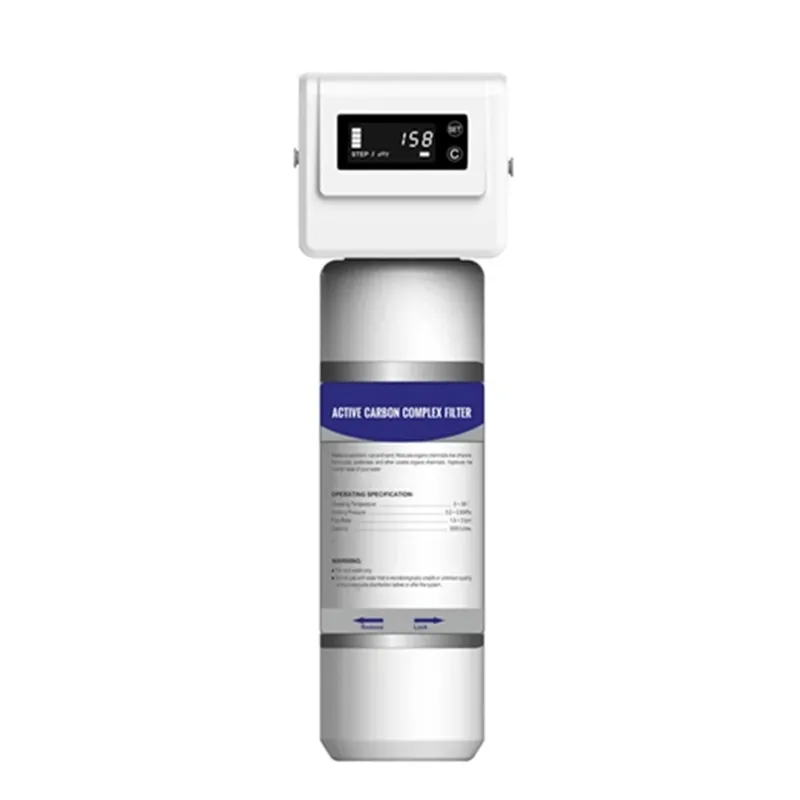
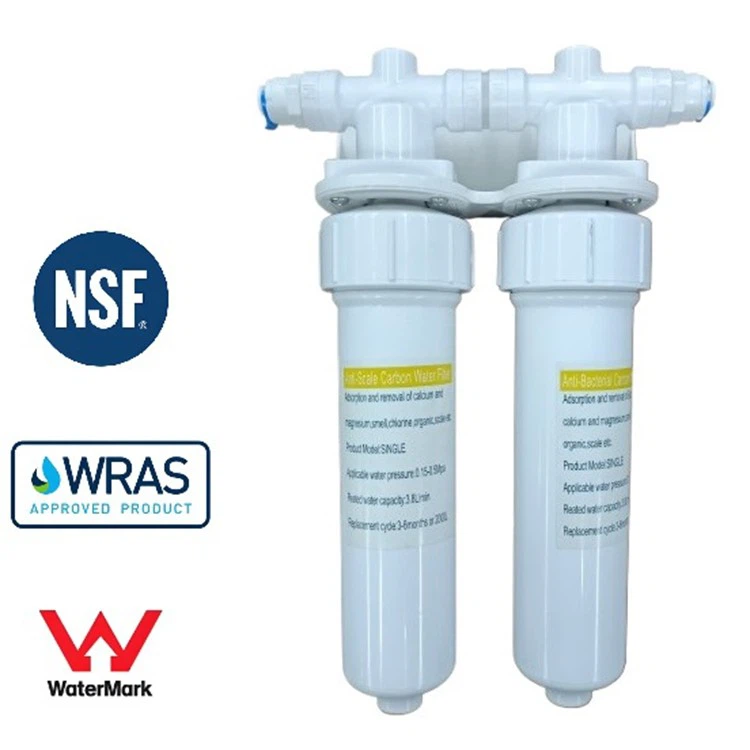
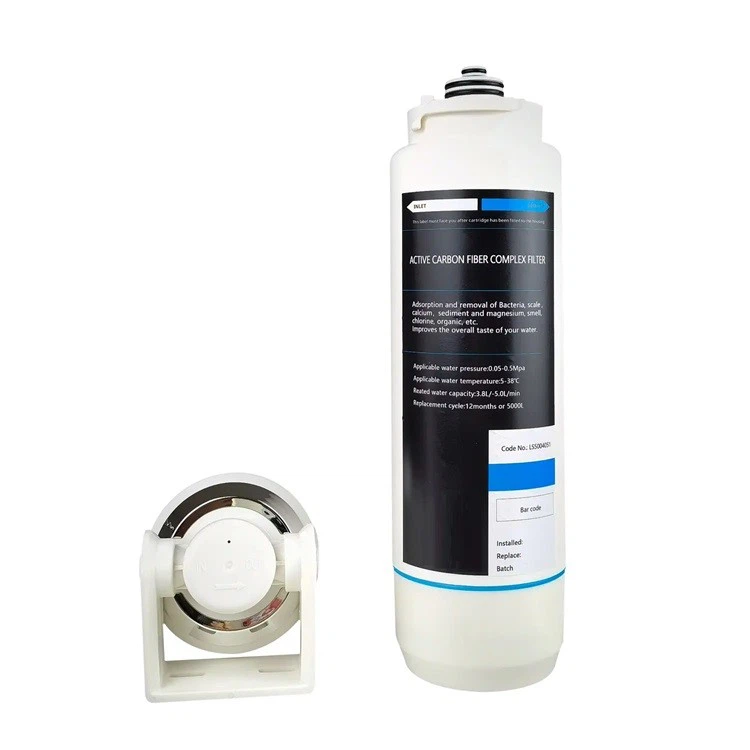
The single-stage/ one-stage filtration system is a method of water purification that uses one filter element to remove particles and chemicals from the water. It contains a carbon block or granular activated carbon, which removes dissolved solids and minerals. If you want to know the specifications and prices of Single Water Filter, please contact us!
Advantages of Single Water Filter
Enjoy Safe Drinking Water All the Time
The consequences of having unsafe drinking water can be dire. Pollutants like heavy metals can have profound health consequences at worst, or at best make your water unpalatable. While the vast majority of municipal water systems in the United States do an excellent job of treating our water and ensuring water quality, there is always the danger of system failures, so it's best to be safe. If you filter your water with an effective home water filtration system you're making a smart investment in the health of your family.
Save Money
If you're buying bottled water for your family to use at home the costs can add up quickly. For the average family drinking 2-3 bottles of water a day, annual costs can easily exceed $500. That's money can be recouped in a timely fashion after you install a water filtration system in your home. And there's another drawback to bottled water…
Help Preserve Our Environment
You're probably familiar with stories and images of the increasing costs to the environment of our society's heavy use of plastic, and plastic bottles are a big part of the plastic waste stream. And even if you're conscientious about disposing of plastic bottles, there's no guarantee that you're used plastic bottles will end up being recycled. Eliminating plastic bottles from your home's waste stream can play a part in correcting this problem.
Reduce Potential Plumbing Issues
Minerals, heavy metals, and chemicals in your water can cause corrosion and damage to your pipes and water-using appliances. By eliminating these potentially damaging factors at the source you can extend the life of your pipes, hot-water heaters, and other home appliances.
Prevent Skin Irritation
Individuals with sensitive skin or who experience skin irritations and conditions such as eczema or psoriasis can suffer from exposure to chemicals in water such as chlorine. A water filtration system in your home can go a long way towards alleviating these problems.
And even if you don't suffer from these conditions, there's nothing like the feeling of pure, clean water when you're taking a shower or enjoying a tub!
Save on Soap and Enjoy Cleaner Clothes
Water that has a high concentration of minerals can diminish the effectiveness of soap. With the addition of a water filtration system, you'll find that appliances like your clothes washer and dishwasher will clean more effectively. Clothes and dishes will be cleaner and your appliances won't suffer from the buildup of mineral deposits.
Reduces Limescale and Other Mineral Deposits
If you've ever looked at the bottom of an old tea kettle, you may have noticed white, chalky deposits on the bottom. That's limescale, the buildup of minerals from lime and other minerals in your water. In addition to being unattractive, limescale can build up in pipes and appliances, and it often makes your water taste unpleasant.
A quality whole-home water filtration system will alleviate many of the issues associated with limescale, and give you better tasting water as well.
Improve the Taste Of Your Drinking Water
Water is one of the best fluids for your body, and adding more water to your diet can have real benefits for your overall health. So why not enjoy the best tasting water? With a whole house water filter in your home, you'll enjoy the clean, crisp taste of pure water, every time you open your tap.
Types of Water Filter

Activated Alumina
If you need to remove fluoride or arsenic from your water, activated alumina (AA) is the best filter of choice. Made of aluminum oxide, this highly porous ceramic compound has a high capacity for adsorption—note, not absorption. This means that when AA draws in chemicals to its activated porous sphere, the chemicals aren't just held inside the pores: the materials actually bond together.
This quality makes AA a cost-effective choice to draw out toxins and metals from contaminated water without the risk of these substances leaking back into the environment. The longer AA has contact with your water, the more harmful chemicals it can remove.
Activated alumina is excellent at purifying drinking water for home use, as well as in industrial applications, water treatment facilities or in the cleanup of toxic waste.
Alkaline and Water Ionizers
Alkaline or ionized water is touted as one of the healthiest water treatments and is said to offer benefits such as improvements in bone and digestive health, decreased risk of cancer and heart disease, better skin and even improved hydration and taste.
The electrically charged minerals in ionized water separate alkaline water from the acidic, which softens the water and improves its drinking quality. It is important to note that alkaline ionizers lack good filtration abilities, so you'll want to use them in tandem with other water purifiers.
Carbon Block and Activated Carbon
Also known as carbon filters or activated charcoal, these are commonly deployed in home water filters, such as one you might place on your faucet, under your sink or in a water pitcher. Activated carbon filters are excellent at attracting and adsorbing pollutants, removing them from the water. This material requires no electricity to work and is cost-effective, but it falls short when it comes to removing minerals and dissolved organic matter.
Ceramic Filters
The tiny pores on a ceramic surface will trap any matter that is larger than the pores themselves, keeping it out of your water. These are simple to install, easy to use, inexpensive and electricity-free filters. If treated with silver, a ceramic water filter can also kill bacteria and prevent mold and algae in your water. However, they can't move faster than they can filter, and they aren't effective at sifting out viruses.
Distillation
Akin to the precipitation cycle, distillation is a highly effective purification process in which water is boiled into steam and then cooled down to return to liquid form in a clean container. The process kills bacteria and improves the taste and smell of treated water.
The good news is that you can complete the distillation process with a number of countertop equipment options, and once complete, you will have made water that is safe for drinking. However, the process does require electricity or a heat source to work, and it is incredibly slow, so it doesn't win in efficiency.
Reverse Osmosis
In this method, water is forced through a semipermeable membrane that allows water to run through, but not the contaminants, chemicals, metals or parasites it may be carrying. RO filter systems are highly effective at eliminating harmful pollutants from your water.
However, they tend to be more expensive than other types of water filters, require high water pressure to operate and tend to waste a lot of water in their purification process, only cleansing a small portion of the total water used.
Sand and Sediment Mesh
A mesh filter works the same way a colander does: they help filter large particles of dirt, clay, sand and rust from water. They can't purify or cleanse, but they can keep sediment from creating buildup in your plumbing system.
Ultraviolet Light
UV light is one of the safest and most effective ways to treat microorganisms in your water, including viruses, bacteria, protozoa and parasites. Water is exposed to high frequency UV light radiation, which passes through a glass element. This filtration method requires energy to perform and tends to be on the pricier end.
UV lamps as water purifiers do their best work as the final stage in a water treatment system when the water is at its most filtered; this is because the light cannot pass through non-organic contaminants, which decreases its effectiveness.
Component of Water Filter
Water Supply Connector/Feed Water Supply Adapter
This component connects to the water source, from where the water moves to the reverse osmosis filter system. This component may have various fitting valves and saddle valves to fit the plumbing configuration.
Sediment Filter
This comes in at the first stage of the filtration process and is designed to remove larger particles such as sediment, dirt, sand, and rust from the water. It helps protect the subsequent filters from clogging and enhances their efficiency.
Activated Carbon Filter
This stage typically contains activated carbon, a porous material that removes chlorine, chemicals, bad taste, and odors from the water. It can also reduce contaminants like volatile organic compounds (VOCs) and heavy metals.
Reverse Osmosis (RO) Membrane
The Reverse Osmosis membrane is a high-performance filter that is a component of a reverse osmosis water treatment system. It uses a semipermeable membrane to remove many contaminants, including bacteria, viruses, dissolved solids, heavy metals, and more.
Post-carbon Filter
Also known as a polishing filter, this stage is placed after the RO membrane and is designed further to improve the taste and odor of the purified water. It can also help remove any residual contaminants that may have passed through the RO membrane.
Ultraviolet (UV) Sterilizer
Some water filter systems may include a UV sterilizer as an additional stage. UV light is used to kill or inactivate harmful microorganisms like bacteria, viruses, and parasites that may be present in the water, providing an extra layer of protection.
Flow Restrictor
This component is usually installed after the RO membrane and helps regulate water flow through the system. It helps maintain the appropriate pressure across the RO membrane for efficient filtration and prevents excessive water wastage.
Storage Tank
The purified water is stored in a storage tank until it is dispensed. The size of the storage tank may vary depending on the specific system, but it is an essential component of a water filter system as it ensures a steady supply of filtered water.
Faucet or Dispenser
The final component of a water filter system is the faucet or dispenser that delivers the purified water for consumption. It is usually installed in the kitchen sink or any other point of use, allowing users to access clean and safe drinking water on demand.
How to Choose the Best Water Filtration Systems
Tap Water is Not Always a Clean Source of Dinking Water
You will find that water meets government standards if you check your local tap water reports. However, if you research a little closer, it has been proven tap water may contain chemicals that are harmful to human health despite being up to government regulations. This is why I like using EWG's tap water resources; their testing is up-to-date and more stringent. EWG's Tap Water Data Base allows you to type in your zip code, select your water service, and see what your tap water contains based on their testing. Tap water can contain lead, arsenic, PFAS, fluoride, and many other harmful substances to human health.
Another option, if it is in your budget, is to test your water on your own. I usedto test my water and get a better idea of what was in my tap water. Local testing will test water at your water source, but it cannot determine what your home water looks like. This is because water has to travel through pipes to get to your home, and those pipes can be contaminated or damaged. Comparing an at-home test with your government testing and EWG will give you the most precise picture of what is in your tap water. This will help you select the best water filter for your home.
What is the Best Filter for Your Home?
I often get asked what the best water filter is; the short answer is that it depends on what is in your water. There is no one-size-fits-all, so doing a little research on your own water is what I recommend; it is what I did in my own home to find the best filter for my water.
Many factors go into choosing a filter for your family beyond filtering drinking water. Does your family travel a lot? Travel may mean you want a portable water filter. Do you own or rent your home? This may impact if you can drill holes into the countertop for an under-the-sink filtration system. Does your kitchen have adequate counter space? You may need to opt for an under-the-sink option if you don't have space to keep a counter system. Another important consideration is how much time you are looking to spend on the upkeep of your water filter system. Some water filtration systems require more frequent cleaning and changing filters, so you will want to factor in the amount of time and money for the initial install, as well as long-term to maintain your water filter system.
I had a whole house system installed by Water Techniques, a water treatment service company based in Los Angeles. The whole house system has activated carbon with specific points of reverse osmosis, including the kitchen and the kids' bathroom sink. I then have trace minerals added back in through the company.
What are Trace Minerals?
Trace minerals are an important part of diet to ensure the body functions properly and provides enough energy for your immune system to work properly. We only need a small or trace amount of the minerals, but they are essential. These minerals include magnesium, selenium, calcium, and salt, among others and where too much can cause adverse effects, so can too little. Due to farming practices, soil depletion, and water filtration, essential minerals are being stripped from our diet and water. So, do you need to add trace minerals to your water at home? This depends on several factors, such as your diet, activity level, where you live, and what type of water filtration system you use at home. For example, Aqua Tru removes minerals, whereas a system such as Pure Effects does not remove essential minerals. Deciding if you need to add essential minerals to your water is a good conversation to have with your healthcare provider and something to consider when selecting a water filtration system for your home that fits well.
Is Fluoride in Drinking Water Cause for Concern?
There have been recent concerns about the safety of fluoride being added to our drinking water, and rightfully so. According to a 2018 study , approximately 73% of US drinking water has fluoride added to it to strengthen teeth and protect against cavities. This practice has been going on since 1945, when the first city (Grand Rapids, Michigan) in the US altered the fluoride concentration in their water to improve oral health. However, an abundance of new studies have found that too much fluoride in developmental years can be a neurotoxin and that too much can lead to fluorosis, which is a weakening of the bones and leads to severe tooth damage. This has become a growing issue in the US pediatric population.
The most complete certification in the industry


Frequently Asked Questions
We're professional single water filter manufacturers and suppliers in China, specialized in providing high quality customized service. We warmly welcome you to buy high-grade single water filter at competitive price from our factory.
reverse osmosis water filter, water filter jug, Water Filter