

Your Professional Carbon Block Filter Cartridge manufacturer
What is a Carbon Block Filter Cartridge?
The filter element is the core component of a water purifier. The filtration effect is made possible thanks to the filter elements in the water purifier. When we talk about filter elements, we know that a water purifier typically consists of PP cotton, activated carbon, ultrafiltration membranes, or RO membranes.
Activated carbon is a porous substance formed by the partial oxidation and erosion of carbon particles. It has its methods for dealing with strange colors and odors. Its surface area is large, and each gram of activated carbon can have a surface area ranging from 500 to 1500 square meters, giving it its inherent adsorption capacity. It is widely used in both industrial production and daily life, playing a crucial role in water purification.
The carbon block filter element is made from high-quality fruit shell charcoal and coal-based activated carbon as raw materials, combined with edible-grade adhesives. Using advanced technology and special processing methods, the carbon block filter element integrates adsorption, filtration, interception, and catalysis. It can effectively remove organic matter, residual chlorine, and other harmful substances in water, while also having a decolorizing and deodorizing effect. The activated carbon filter element is currently an ideal new-generation product in the liquid and air purification industries.

-
![Carbon Water Filter Replacement]() Carbon Water Filter ReplacementCarbon Water Filters are a popular choice for improving the taste and quality of drinking water in homes. These replacements are necessary every six months or after filtering a specific amount ofread more
Carbon Water Filter ReplacementCarbon Water Filters are a popular choice for improving the taste and quality of drinking water in homes. These replacements are necessary every six months or after filtering a specific amount ofread more -
![Carbon Block Pre-Filter]() Carbon Block Pre-FilterThe Carbon Block Pre-Filter is a high-performance water filtration component engineered to boost the effectiveness of reverse osmosis (RO) systems. Constructed with premium coconut shell carbon, itread more
Carbon Block Pre-FilterThe Carbon Block Pre-Filter is a high-performance water filtration component engineered to boost the effectiveness of reverse osmosis (RO) systems. Constructed with premium coconut shell carbon, itread more -
![Under Sink Carbon Block Filter]() Under Sink Carbon Block FilterUnder-sink carbon block filters are a popular choice for improving the taste and quality of drinking water in homes. They are installed under the sink and connected to the water supply, easyread more
Under Sink Carbon Block FilterUnder-sink carbon block filters are a popular choice for improving the taste and quality of drinking water in homes. They are installed under the sink and connected to the water supply, easyread more -
![Pre Carbon Block Filter]() Pre Carbon Block FilterThe pre-carbon block filter is the first coarse filtration equipment for the house's water. It can filter sediment, rust, insect eggs, etc, in tap water. The pre-filter is usually installed at theread more
Pre Carbon Block FilterThe pre-carbon block filter is the first coarse filtration equipment for the house's water. It can filter sediment, rust, insect eggs, etc, in tap water. The pre-filter is usually installed at theread more -
![Pre Carbon Filter Cartridge]() Pre Carbon Filter CartridgePremium Pre Carbon Filter Cartridge. Premium Pre Carbon Filter Cartridge – Superior Water Pre-Filter for Clean, Great-Tasting Waterread more
Pre Carbon Filter CartridgePremium Pre Carbon Filter Cartridge. Premium Pre Carbon Filter Cartridge – Superior Water Pre-Filter for Clean, Great-Tasting Waterread more


Activated carbon is an excellent adsorption material, processed from raw materials such as charcoal, bamboo charcoal, fruit shells, and high-quality coal. It has a large surface area, strong adsorption capacity, and can be reused. As a commonly used adsorbent, catalyst, or catalyst carrier, it is widely used in water treatment and air purification.
In water purification equipment, activated carbon is often found in the filter material of the central unit and various filter elements.
Application of activated carbon in water treatment
Activated carbon is one of the earliest, most widely used, and most practical materials for water purification in water purifiers. It is a highly porous material made by processing raw materials such as coal, wood, or coconut shells, and possesses extremely strong adsorption properties.
Activated carbon can remove a wide range of contaminants from water, including odors, tastes, color, residual chlorine, colloids, organic matter (such as synthetic detergents, pesticides, herbicides, insecticides, synthetic dyes, trihalomethanes, haloacetic acids, and endocrine disruptors like phthalates and PAEs), heavy metals (such as mercury, silver, cadmium, chromium, lead, nickel), radioactive substances, and more. It is commonly used in household RO reverse osmosis water purifiers, as well as in ultrafiltration (UF), nanofiltration (NF), and other types of water purifiers.
The new PFAS regulations in drinking water in the United States will drive and enhance the use of activated carbon in water treatment. PFAS (per- and polyfluoroalkyl substances) are a class of synthetic fluorinated compounds, known as "forever chemicals" due to their persistence and difficulty in degrading in the environment. The presence of PFAS is potentially harmful to human health. The latest U.S. regulations have set stricter limits for PFAS levels in drinking water.
Both activated carbon and KDF can remove residual chlorine in water, but KDF reacts with chlorine to form zinc ions (Zn2+), which may lead to excessive zinc levels in water. There is no such concern when using activated carbon to remove chlorine.
During the activation process, activated carbon forms a large number of fine pores of various shapes, creating a massive surface area with strong adsorption capacity. Its specific surface area ranges from 500 to 1200 m²/g. The larger the specific surface area, the better the adsorption effect.
Activated carbon is classified into two types based on the raw materials used:
1. Wood charcoal: This includes wood charcoal (made from sawdust), bamboo charcoal (made from bamboo), fruit shell charcoal (made from walnut shells or apricot kernels), and coconut shell charcoal (made from coconut shells). Coconut shell charcoal and fruit shell charcoal are commonly used in water purifiers.
2. Coal charcoal: Made from anthracite.
Type of activated carbons for water purification
According to different production processes, the activated carbon commonly used in the field of water purification can be divided into: granular activated carbon, sintered activated carbon, compressed activated carbon, etc.

Granular activated carbon(GAC)
Granular activated carbon is activated carbon processed into granules. The smaller the particles, the better the adsorption effect. It is widely used in water purifier filter elements. Granular activated carbon is usually filled into the filter element housing, and multiple layers of non-woven fabrics are placed at both ends to prevent the filter element from dropping carbon powder during use.

Sintered activated carbon filter element (CTO)
Sintered activated carbon is a mixture of activated carbon particles or powders with polymer hot-melt materials (such as PE resin), heated sintering and extrusion molding, which maintains the characteristics of large specific surface area of activated carbon filter material, excellent porosity, and better filtration effect.

Compressed activated carbon(CTO)
Compressed activated carbon is a mixture of activated carbon filter material and food-grade binder, which is compressed under high pressure and mostly made into columnar solids. This process has a high activated carbon content, good filtration effect, and no defects of carbon powder leakage.
Activated Carbon Filter For Water Purification


Activated Carbon Filters (ACF) are typically used as the first stage of filtration, before the main filter (such as UF, NARO, or RO filters) in a water purifier. Their primary function is to remove impurities like residual chlorine and protect the subsequent filters (ultrafiltration, NARO, or RO). Activated carbon filters can also be used as the final filter to remove odors and improve the taste of purified water.
What is CTO precision activated carbon?
CTO (Precision Activated Carbon) is a special term used in the water purification industry, primarily referring to an activated carbon rod filter element. It is derived from the first letters of the three English words: chlorine, taste, and odor. Essentially, it refers to a filter element designed to remove chlorine, eliminate odors, and improve taste. Many people in the water purification industry commonly use CTO as an abbreviation for extruded activated carbon rods. Once you understand the meaning behind these three letters, it becomes clear that CTO can also serve as a general term for higher-grade diamond carbon and sintered activated carbon.
How to choose an activated carbon filter?
Many indicators can be used to evaluate the quality of activated carbon. For consumers, the following key terms can help assess its quality:
1. Iodine Adsorption Value: This is a common indicator. Generally, the higher the iodine adsorption value, the more micropores the activated carbon contains, and the stronger its adsorption capacity.
2. Methylene Blue Value: Similar to the iodine adsorption value, the methylene blue value is often used in practical applications to represent the decolorization ability of activated carbon. The higher the methylene blue value, the better the decolorization performance for the same unit weight of activated carbon.
Tips for Using Activated Carbon Filters:
When using a household water purifier for the first time, it is important to rinse the equipment and drain the initial filtration water, as specified in the product manual. This helps remove any protective liquid components that may be present in the filter cartridge and ensures the water quality is stable.
Keep in mind that the adsorption and filtration capacity of any activated carbon filter is limited. Once the filter becomes saturated with intercepted contaminants, it must be replaced regularly according to the product manual’s instructions.
How often does the filter need to be replaced?
The filter replacement cycle of a water purifier varies depending on the product and is influenced by factors such as the number of permanent residents in the household, usage habits, frequency of use, and local water quality. Manufacturers typically provide a recommended replacement schedule, but many consumers may find it difficult to remember or locate this information. So, how can you determine when a filter needs to be replaced?
Signs That Your Water Purifier Filter Needs Replacement
1. The Indicator Light Turns Red
Many water purifiers feature a filter indicator light or a filter life display on the control panel. If the purifier is powered on and used according to the product's guidelines, you can follow the indicator light’s notification for filter replacement. When the purifier displays a red light, it signals that a replacement is needed.
2. Monitoring Usage Time
The filtration capacity of a filter weakens over time, and each type of filter element has a recommended maximum lifespan:
- PP cotton filter: Approximately 6 months
- Compressed activated carbon filter: Approximately 1 year
- RO membrane: Approximately 2 years
- Post-activated carbon filter: Approximately 1 year
3. Decreased Water Flow Rate
If you notice that the water flow rate from the purifier has significantly reduced over time (excluding cases where municipal water pressure has decreased), this may indicate that the filter is clogged and requires replacement.
4. Deterioration in Water Taste
A primary reason for using a water purifier is to improve the taste by filtering out impurities and microorganisms from tap water. If the taste of the purified water deteriorates, it could be a sign that the filter is no longer effective and needs to be replaced.
To extend the lifespan of your water purifier and ensure safe, high-quality drinking water, it is essential to replace the filters on time.
Smart Water tech - Professional Carbon Block Filter Cartridge factory in China
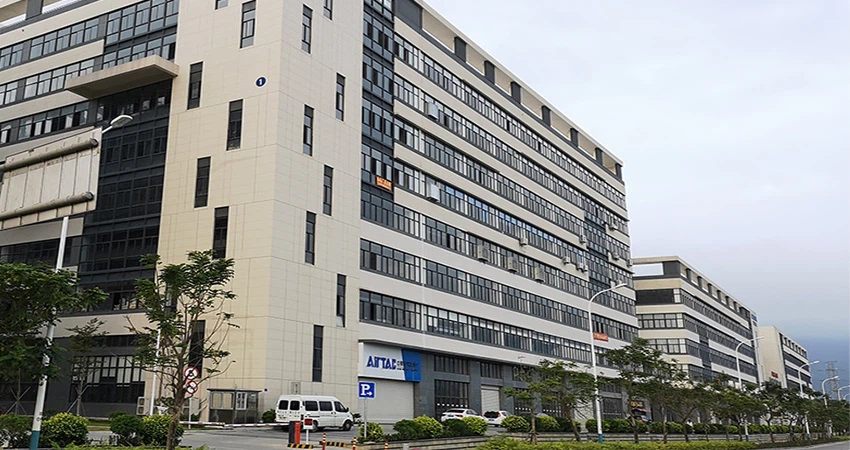
Production area: 2000 ㎡
Address: Floor 2, Building 5 Haiyi Industrial Park, No.7, Kengping Road, Jimei, Xiamen, Fujian, China
Xiamen Smart Water Tech Plant 2
Self-built Factory Buildings: 4000 ㎡
Address: 10th Building, No. 1 Manmei Road, Jiaomei Town, Longhai, Zhangzhou, Fujian Province, China

Our Certificate
As a professional OEM/ODM manufacturer, Xiamen Smart Water Tech is the approved supplier for many famous world brands.
We always feel that our company's success is directly related to the quality of our products. Our products meet the highest quality requirements stipulated in ISO 9001, ISO 14000:14001 SGS guidelines, and our stringent quality control system.
Our products also pass UL, CB, CE, GS, ERP, UKCA, RoHS, REACH, PAHS, SCCP, BSMI, Safety Mark, RCM, WRAS, NSF, KTW, and WaterMark international standards.

TUV

CE

UL

pAHS

UKCA
FAQ
Q: Can we buy some samples before placing a bulk order?
A: Sure, we can provide samples, but you must pay the sample and courier fees; the fee can be deducted from the subsequent bulk order.
Q: Can you print our logo on the product and packaging?
A: Yes, we can print your logo on it according to your requirements. We can also customize the packaging and instructions for you. We can also customize exclusive product models for you, just for your company.
Q: What is your MOQ?
A: Our MOQ is 50 pieces per order. For first trial orders or some regular products, the quantity can be 30 pcs. Meanwhile, we stock some products in the USA and Germany, and you can also directly buy from us for small quantities if we have overseas stock.
Q: Can you help us arrange the shipment?
A: Yes, we have professional forwarders who have cooperated with us for many years to arrange shipment.
We're professional carbon block filter cartridge manufacturers and suppliers in China, specialized in providing high quality customized service. We warmly welcome you to buy high-grade carbon block filter cartridge at competitive price from our factory.
Water Filter Cartridges, filters for water, water filter replacement