
Is bottled water safe to drink?
[2025-08-15] | By Xiamen Smart Water Technology Co., Ltd. Allen Huang
Content Menu
- The Bottled Water Safety Debate
- How Water Dispensers Turn Clean Water into a Risk
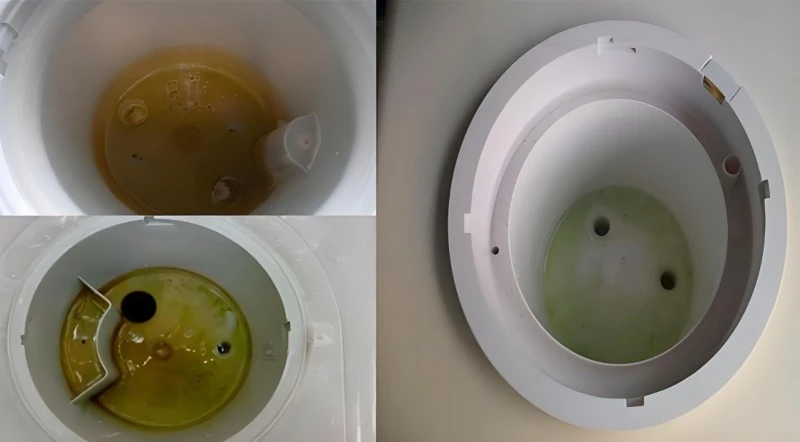
- Where Bacteria Hide Inside Your Dispenser
- How to Properly Maintain Your Drinking Water Equipment
- Common Myths About Bottled Water Safety
- A Smarter Alternative: 5 in 1 Tap Systems
1. The Bottled Water Safety Debate
Bottled water is often marketed as pure, fresh, and safe. But research shows that once a sealed bottle is opened-or worse, when a 19L water jug is placed onto a dispenser-its safety can quickly decline.
In many office and home settings, people assume that bottled water is a cleaner choice than tap water. However, health inspections in multiple countries have revealed that bacteria levels in some water dispensers can exceed safe limits by over 100 times within just days of use.

2. How Water Dispensers Turn Clean Water into a Risk
When a water jug is inverted and placed onto a dispenser, every glass of water poured draws air back into the bottle. This air carries microscopic bacteria and dust particles that can quickly contaminate the water.
A study by the Chinese CDC found that bacteria levels inside office water dispensers averaged 800 CFU per cm²-three times higher than a toilet seat. In a Shanghai primary school, prolonged use of poorly maintained dispensers led to 35% of students showing signs of intestinal flora imbalance.
3. Where Bacteria Hide Inside Your Dispenser
The "Smart Cap" Trap
The threaded plastic interface where the water bottle meets the dispenser is a perfect breeding ground for bacteria. Tests have shown contamination levels of up to 5,000 CFU/mL after just six months of use without cleaning.
Internal Pipework
Between the cold and hot water tanks and the tap outlet lies a 50 cm network of moist tubing-an ideal "highway" for bacterial growth. Infrared imaging often shows that room-temperature pipes sit at around 25°C, perfect for microbial reproduction.
Warm Water Danger Zone
Many water dispensers heat water to only 85–90°C, insufficient to kill heat-resistant bacteria such as Bacillus spores. Tests by the Nanjing Quality Inspection Institute revealed that 38% of dispensers failed to meet safety standards for hot water bacterial counts.
4. How to Properly Maintain Your Drinking Water Equipment
Deep Cleaning Steps:
- Unplug the dispenser and remove the bottle.
- Drain any remaining water.
- Soak the smart cap and internal components with a food-safe cleaning solution for 20 minutes.
- Use a soft brush or pipe cleaner to scrub inside the tubing.
- Sanitize the hot water tank with vinegar, then flush until odor-free.
Routine Maintenance Tips:
- Clean weekly in summer, monthly in winter.
- Finish opened bottled water within 7 days.
- Alternate between hot and cold water use to prevent stagnant water buildup.
- Store spare bottles in a cool, dry place away from direct sunlight.
- Upgrading to a UV self-cleaning dispenser or a full stainless-steel water path can reduce bacteria growth by over 99% compared to traditional models.
5. Common Myths About Bottled Water Safety
Myth 1: "Bottled water is always clean."
Even sterile water becomes contaminated after just three days in an unclean dispenser.
Myth 2: "Hot water kills all bacteria."
Many harmful bacteria survive 85°C water, especially if they form protective biofilms inside the machine.
Myth 3: "If it looks clean, it is safe."
Biofilms are invisible to the naked eye but can harbor millions of bacteria.
6. A Smarter Alternative: 5 in 1 Tap Systems
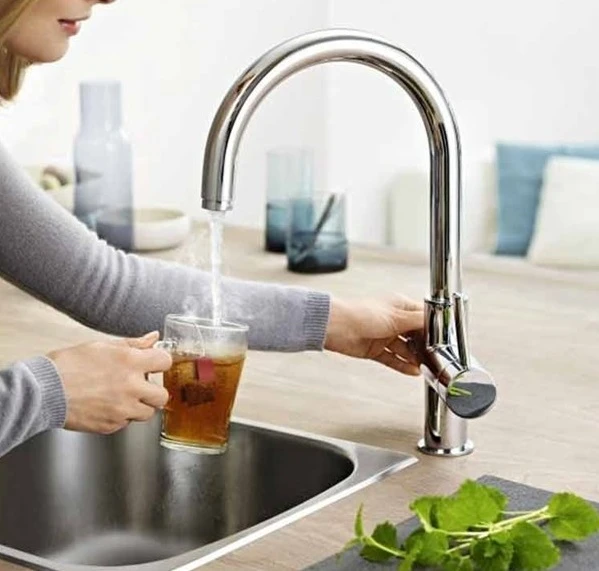
While bottled water can be safe with proper handling, the risk of secondary contamination remains high. An advanced 5 in 1 kitchen tap system eliminates the need for bottled water entirely by providing:
- Instant Boiling Water for tea, coffee, and cooking
- Filtered Cold Water free from chlorine, sediment, and heavy metals
- Room-Temperature Water for everyday hydration
- Chilled Water for a refreshing drink anytime
- Sparkling Water for those who enjoy carbonation
Unlike bottled water dispensers, a 5 in 1 tap connects directly to your main water supply, uses multi-stage filtration, and boils water to 98℃. This ensures fresh, safe water on demand-without the storage, transport, and plastic waste issues of bottled water.
Bottled water may seem like the safer choice, but without strict hygiene practices, it can easily become a breeding ground for bacteria. Regular cleaning, smart equipment upgrades, and modern alternatives like 5 in 1 taps can protect your health and give you water you can truly trust.