

Why Is India So Hot? Climate, Urban Heat, and the Growing Demand for Chilled Filtered Water Taps
Author: [2026-05-29] | By Xiamen Smart Water Technology Co., Ltd. Allen Huang
Why Is India So Hot?
India suffers from extreme heat primarily due to a combination of factors, including its geographical location, topography, extreme climate, and human activities such as urbanization.
Why Is India So Hot?
Table of Contents
- Introduction
- Why India Experiences Extreme Heat
- The Role of the Himalayas
- How Geography Intensifies Heat in India
- El Niño and Delayed Monsoons
- Urbanization and the Heat Island Effect
- How Extreme Heat Impacts Daily Life
- Why Clean Chilled Drinking Water Matters More Than Ever
- The Growing Demand for Chilled Filtered Water Taps
- Recommended Applications for Chilled Water Systems
- Xiamen Smart Water Technology ODM Manufacturing Advantages
- FAQs
- Conclusion
- OEM & ODM Partnership Opportunities
When people think about the hottest places on Earth, many immediately imagine the Sahara Desert, the Middle East, or central Africa. Surprisingly, in recent years, India has repeatedly recorded some of the highest urban temperatures in the world.
During peak summer months, temperatures in several Indian cities have exceeded 50°C (122°F). In some global heat rankings, Indian cities occupied the majority of the world's hottest urban locations.
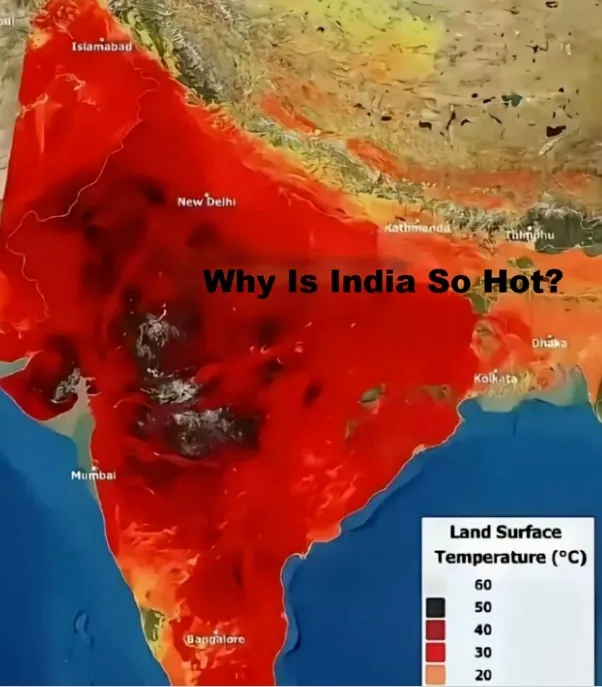
So why is India so hot?
The answer involves a combination of geography, climate systems, urbanization, population growth, deforestation, and changing weather patterns like El Niño.
At the same time, these extreme temperatures are rapidly increasing demand for reliable drinking water systems, especially chilled filtered water taps that can provide instant cold, clean, and safe drinking water in homes and commercial environments.
India's extreme heat is not caused by a single factor. Several environmental conditions combine together to create prolonged heatwaves.
Main Reasons India Gets So Hot
| Factor | Impact |
|---|---|
| Himalayan mountain barrier | Traps hot air over the Indian subcontinent |
| Tropical latitude | Strong direct sunlight during summer |
| El Niño weather patterns | Delayed monsoon and dry air |
| Urban heat islands | Concrete cities absorb and release heat |
| Deforestation | Reduced natural cooling |
| Plateau terrain | Rapid ground heating |
| Low groundwater reserves | Limited cooling effect from moisture |
Together, these conditions can turn large parts of India into what many describe as a "natural pressure cooker."
One of the biggest reasons India remains extremely hot is the Himalayas.
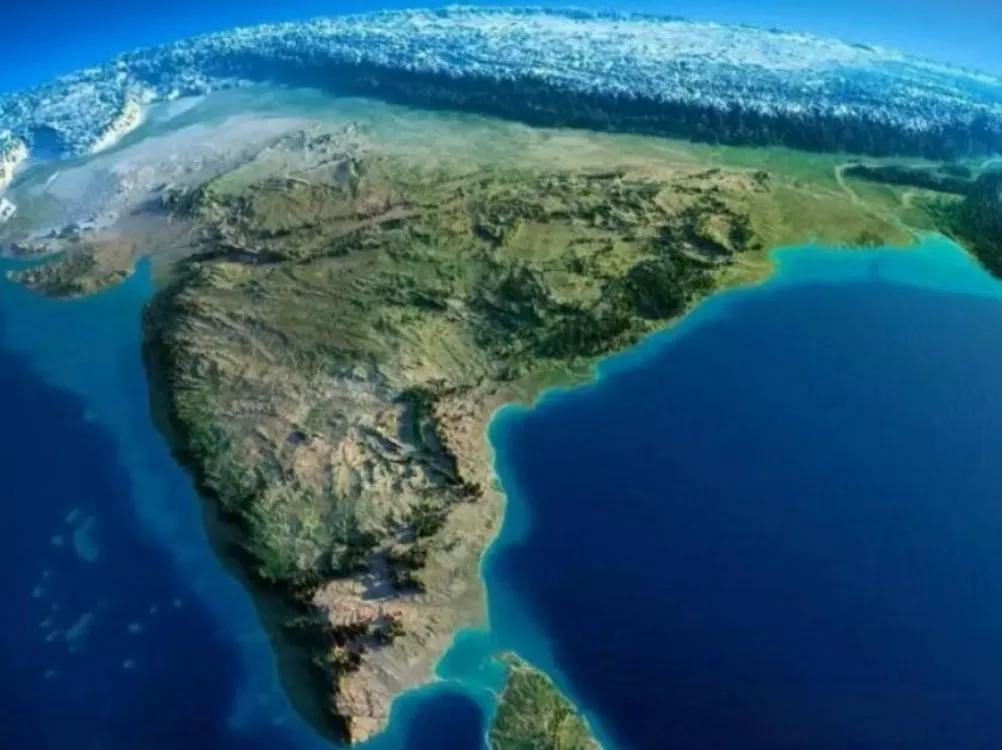
The Himalayan mountain range acts like a giant wall:
- It blocks cool northern air from entering India
- It traps hot air over the subcontinent
- It limits heat dissipation
During April and May, the sun moves directly overhead across much of India. Without cool airflow escaping northward, heat builds rapidly across cities and plains.
Some climate experts compare:
- The Himalayas = an air conditioner indoor unit
- India = the outdoor heat exhaust unit
This geographic setup naturally concentrates heat.
India's terrain also plays a major role.
The Deccan Plateau Effect
Much of southern India sits on the Deccan Plateau.
Although elevated, the plateau is not high enough to maintain permanent snow cover. Average elevations are only around:
- 500–600 meters in many regions
- The region also contains large areas of basalt rock.
Why Basalt Matters
Basalt heats up extremely quickly because:
- Its heat capacity is far lower than water
- Surface temperatures can exceed 80°C under intense sunlight
This means roads, buildings, and soil absorb enormous amounts of heat during the day and release it slowly at night.
As a result:
- Cities stay hot even after sunset
- Cooling becomes more difficult
- Indoor temperatures remain uncomfortable
Another major reason for recent extreme heat is El Niño.
Normally, India relies heavily on seasonal monsoon rains for cooling and agriculture.
But during El Niño years:
- Monsoons may arrive late
- Rainfall becomes inconsistent
- Dry desert air from Central Asia increases temperatures further
Without rainfall:
- Rivers shrink
- Reservoirs dry up
- Agricultural droughts intensify
This creates severe pressure on water supplies and increases demand for reliable drinking water systems.
India's rapid urban growth has made the heat problem worse.
Over the past decades:
- Forests have been cleared
- Wetlands replaced by concrete
- Cities expanded rapidly
- Green spaces declined
Urban Heat Island Problems
Modern cities absorb massive amounts of solar energy.
Common Heat-Trapping Surfaces
- Asphalt roads
- Concrete buildings
- Metal rooftops
- Dense infrastructure
These materials:
- Absorb heat during the day
- Release heat slowly at night
- Increase surrounding air temperatures
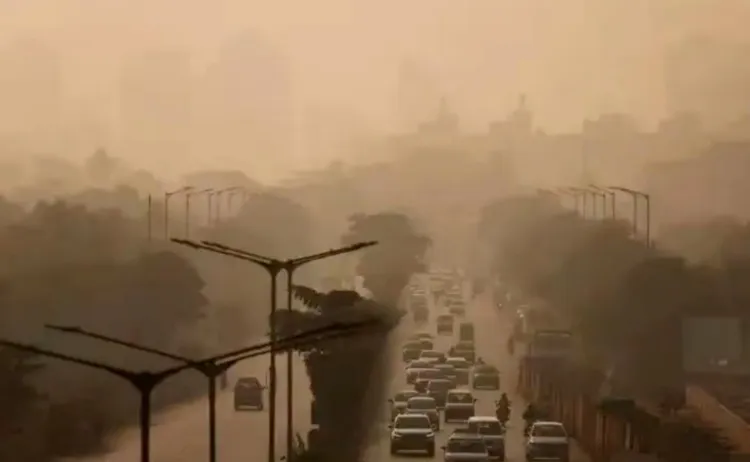
Combined with:
- Vehicle emissions
- Air pollution
- Industrial heat
Cities can feel dramatically hotter than rural areas.
Extreme temperatures affect nearly every industry.
Impact on Workers
Outdoor labor becomes dangerous during peak heat:
- Construction slows
- Factory productivity drops
- Heat exhaustion risks rise
Impact on Equipment
High temperatures also damage:
- Industrial machinery
- Data centers
- Network servers
- Manufacturing equipment
Many precision machines require stable operating temperatures. Excessive heat can cause:
- Shutdowns
- Reduced lifespan
- System failures
Agricultural Damage
Extreme heat severely impacts farming:
- Crop roots overheat
- Wheat production falls
- Vegetables dry out
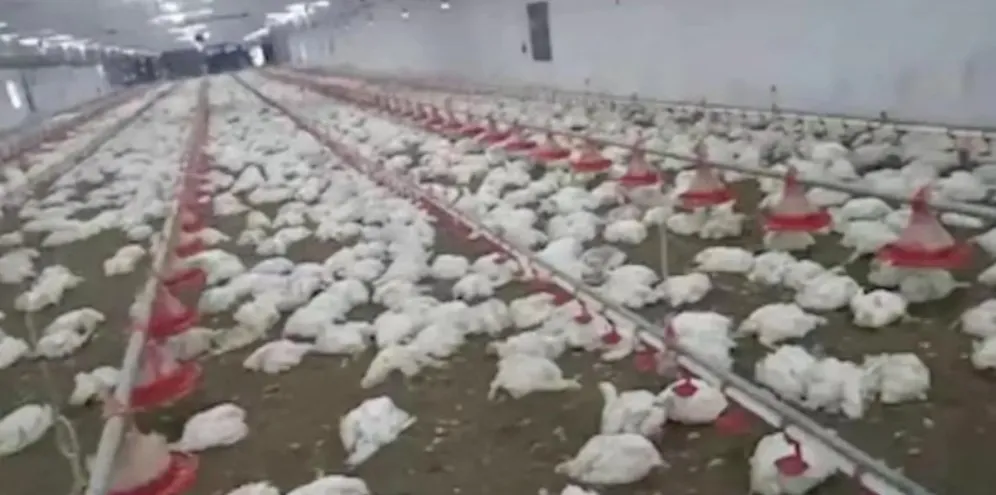
- Livestock suffers
In one reported poultry incident during a heatwave, thousands of chickens died within hours after cooling systems failed.
During extreme heat, hydration becomes critical.
However, in many hot regions:
- Tap water quality may vary
- Bottled water creates plastic waste
- Refrigeration alone cannot meet demand efficiently
This is why chilled filtered water tap systems are growing rapidly in popularity.
Consumers now want:
- Instant chilled water
- Safe filtered drinking water
- Energy-efficient kitchen solutions
- Multi-functional taps
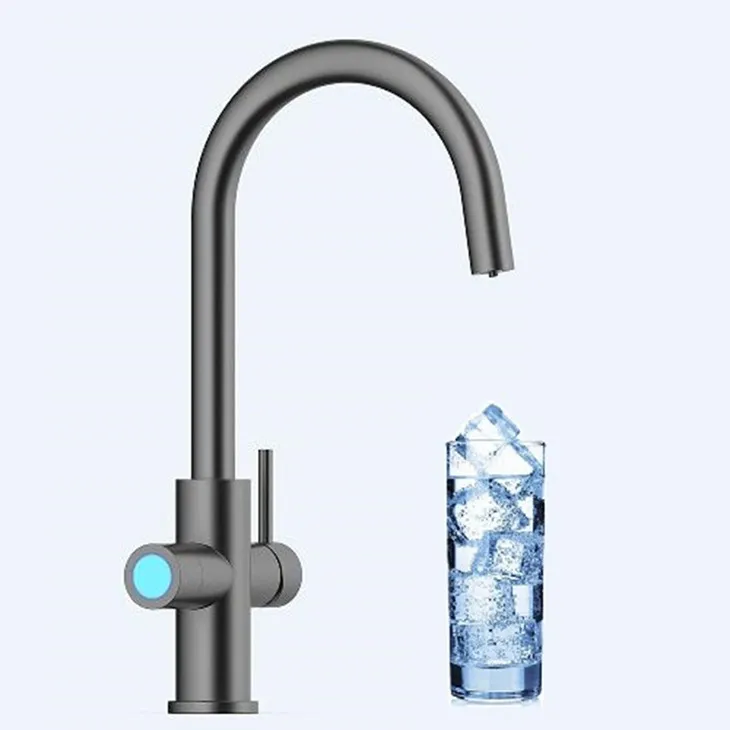
A chilled filtered water tap combines:
- Filtered water
- Chilled drinking water (Chilled water temperature: 3°C - 8°C)
- Boiling water, 14 preset temperature settings (45°C to 98°C)
- Standard hot water
- Standard cold water
All from a single kitchen faucet.
Key Advantages
| Feature | Benefit |
|---|---|
| Instant chilled water | Immediate cooling relief |
| Filtered drinking water | Better taste and hygiene |
| Boiling water function | Tea and cooking convenience |
| Space-saving design | No countertop appliances |
| Reduced bottled water use | Lower plastic waste |
| Energy efficiency | Lower operating costs |
These systems are increasingly popular in:
- Indian homes
- Hotels
- Offices
- Restaurants
- Hospitals
- Luxury apartments
Residential Kitchens
Families can enjoy instant ice-cold filtered water without refrigerating bottles.
Office Break Rooms
Employees stay hydrated and productive during hot weather.
Hotels & Hospitality
Guests appreciate instant chilled and filtered drinking water access.
Restaurants & Cafés
Chefs and bartenders benefit from reliable chilled water supplies.
Healthcare Facilities
Clean drinking water supports patient comfort and hygiene.
Xiamen Smart Water Technology Co., Ltd. specializes in advanced drinking water systems and chilled filtered water taps for international brands.
Core Product Functions
| Water Type | Available |
|---|---|
| Filtered Water | Yes |
| Chilled Filtered Water | Yes |
| Filtered Boiling Water | Yes |
| Filtered Chilled Sparkling Water | Yes |
| Domestic Hot Water | Yes |
| Domestic Cold Water | Yes |
Manufacturing Strengths
| Capability | Details |
|---|---|
| OEM & ODM Services | Full customization support |
| Certifications | UL, NSF, WRAS, WaterMark, CE |
| Quality Standards | ISO9001 & ISO14001 |
| Export Markets | Europe, UK, Australia, Asia |
| Product Development | Smart kitchen water systems |
| Compliance | RoHS, REACH, UKCA, CB |
Xiamen Smart Water Technology supports:
- Global distributors
- Kitchen brands
- Wholesalers
- Real estate projects
- Hospitality groups
Why does India experience such extreme temperatures?
India's heat is caused by geographic conditions, tropical sunlight, delayed monsoons, urbanization, and mountain barriers that trap hot air.
What is a chilled filtered water tap?
It is a multifunctional kitchen tap that provides filtered chilled water alongside regular hot and cold water.
Why are chilled water taps popular in hot climates?
They provide immediate access to cold, safe drinking water without waiting for refrigeration.
Can chilled filtered water taps replace bottled water?
Yes. Many households and commercial users switch to filtered water systems to reduce plastic waste and long-term costs.
Are chilled filtered water systems energy efficient?
Modern systems are designed for low-energy operation while maintaining stable chilled water temperatures.
Does Xiamen Smart Water Technology provide ODM services?
Yes. The company offers OEM and ODM manufacturing for global brands and distributors.
India's extreme heat is the result of complex environmental and geographic factors, from the Himalayas and plateau terrain to urbanization and climate change.
As temperatures continue rising globally, access to safe and chilled drinking water is becoming more important than ever.
Modern chilled filtered water tap systems provide a practical, sustainable, and premium hydration solution for homes and commercial environments alike.
For global buyers, distributors, and brands looking for reliable OEM and ODM manufacturing, Xiamen Smart Water Technology delivers certified, innovative, and internationally compliant drinking water solutions.
Looking for a reliable Chilled Filtered Water Tap manufacturer?
Xiamen Smart Water Technology Co., Ltd. offers:
- OEM & ODM manufacturing
- Chilled & boiling water tap systems
- Under-sink filtration solutions
- International certifications
- Smart kitchen water technologies
- Global wholesale cooperation
Whether you are building your own brand, sourcing for large-scale projects, or expanding distribution channels, we are ready to support your business growth with high-quality drinking water solutions.
Visit our official website to learn more:
https://www.kitchenwatertap.com/