

Brass vs Stainless Steel Faucets: Which Is Better for Your Kitchen?
[2025-02-03] | By Xiamen Smart Water Technology Co., Ltd. Allen Huang
Content Menu
- Introduction
- Material Composition and Safety
- Durability and Longevity
- Corrosion Resistance & Hygiene
- Manufacturing and Cost
- Environmental and Health Considerations
- Which Faucet Material is Best for Boiling Water Taps?
- Final Verdict
- About Xiamen Smart Water Technology Co., Ltd.
When choosing the right faucet-especially for boiling water systems-material matters more than you might think. The two most common options on the market are brass and 304 stainless steel. Each material has distinct characteristics that affect performance, safety, longevity, and cost. This guide will help buyers, distributors, and OEM brands understand the differences so they can make the most informed decision.
| Material | Key Traits | Health Concerns |
|---|---|---|
| Brass | Durable, traditional, antibacterial copper ions | Contains trace amounts of lead |
| 304 Stainless Steel | Lead-free, strong, modern | Difficult to machine, higher cost |
Brass, an alloy of copper and zinc, is a time-tested material in the faucet industry. Its natural antibacterial properties make it ideal for hygiene-sensitive areas like kitchens. However, because brass may contain trace amounts of lead, even when compliant with international standards, it raises concerns among some health-conscious buyers.
On the other hand, 304 stainless steel is completely lead-free and non-reactive, making it a safer option for direct contact with drinking water. It's an excellent choice for consumers focused on water purity and environmental safety.
Both brass and stainless steel are durable, but in different ways. Brass is corrosion-resistant and has excellent machinability, which is why it's the industry standard for many faucet designs. With proper plating, brass faucets can last 10–20 years.
Stainless steel, however, offers superior strength and hardness. It resists dents, scratches, and high-pressure wear-perfect for heavy-duty or high-frequency use scenarios such as boiling water taps in modern kitchens or commercial environments.
Brass naturally inhibits bacterial growth due to its copper content. According to EPA studies, brass can eliminate up to 99.9% of harmful bacteria like MRSA within 2 hours of contact-an important factor for kitchens where hygiene is a top priority.
Stainless steel, though not antibacterial, is highly resistant to rust and chemical corrosion. It maintains its appearance and performance even in high-humidity or hard-water conditions, making it a strong candidate for under-sink boiling and chilled water systems.
Brass faucets are easier to cast and machine, which lowers manufacturing costs and supports diverse styles and finishes. This makes brass an excellent option for OEM customization and large-scale production.
304 stainless steel, in contrast, requires more advanced machining and higher precision tooling, which increases the production cost. However, stainless steel faucets have a modern, minimalistic appearance and are highly sought after in premium markets.
| Feature | Brass | Stainless Steel |
|---|---|---|
| Manufacturing | Mature, low-cost process | Complex, high-precision process |
| Customization | Highly versatile | Limited shapes, modern aesthetic |
| Cost | More affordable | Higher upfront cost, but long-term value |
As consumer demand for eco-friendly products grows, stainless steel's lead-free and recyclable nature makes it a preferred choice in many regions, particularly in North America and Europe.
However, brass remains widely accepted globally, especially when produced in certified factories that meet stringent lead-leaching standards like NSF, WRAS, and CE.
For boiling water taps, the decision depends on your market positioning:
- Brass is ideal for cost-effective, customizable, and hygienic designs. If you're targeting mid-range markets or value functionality and design flexibility, brass is an excellent option.
- Stainless steel is better suited for premium, health-conscious markets where lead-free certification is essential. It also complements high-end kitchen aesthetics and offers robust long-term performance.
Both materials can perform well in boiling water systems as long as they are paired with quality internal components and thermal insulation.
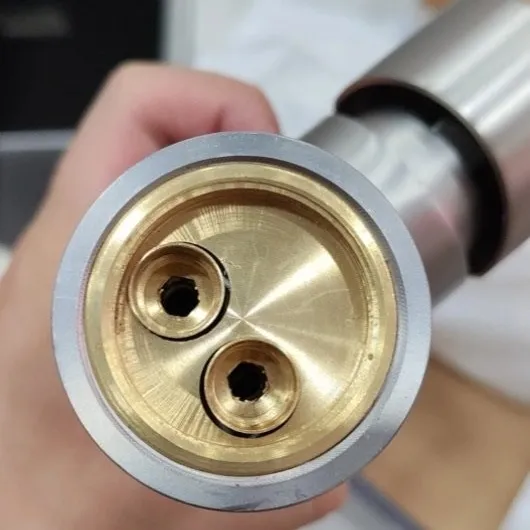
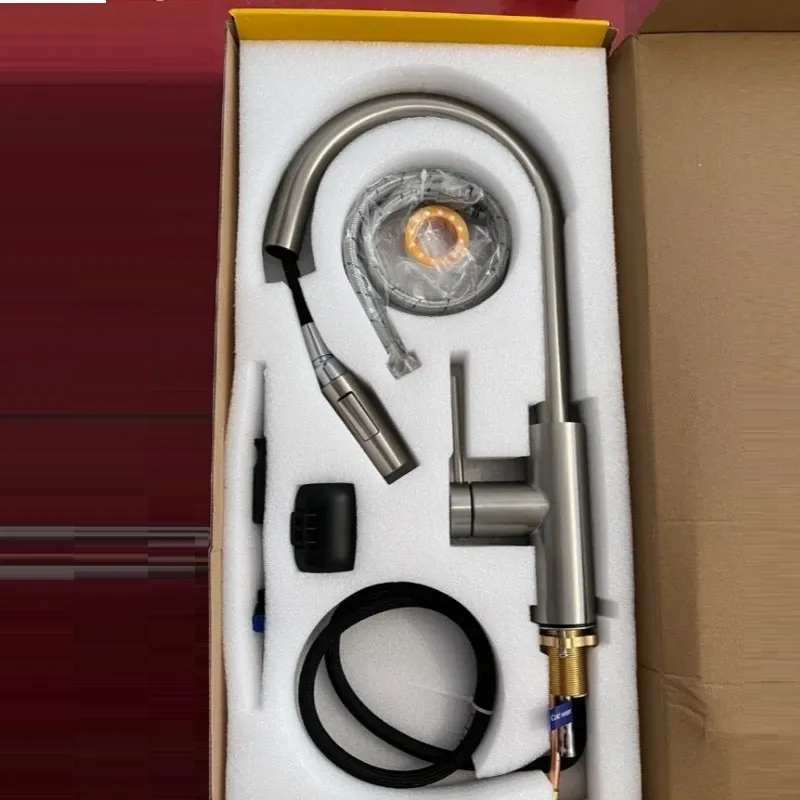
Both brass and stainless steel faucets have clear strengths. The right choice depends on your application, market demand, and branding strategy.
- Want antibacterial properties and flexibility in design? Choose brass.
- Targeting health-conscious consumers and premium markets? Go with stainless steel.
As an OEM/ODM partner, Xiamen Smart Water Technology Co., Ltd. offers both brass and stainless steel faucet solutions tailored to your brand's vision-ensuring compliance, performance, and a competitive edge.
Xiamen Smart Water Technology Co., Ltd. is a trusted manufacturer behind many top-tier under-sink drinking water systems, including boiling water taps, chilled water dispensers, and filtered kitchen faucets.
We offer full ODM services for global brands, including product design, engineering, manufacturing, and certification. With advanced production facilities in Xiamen, strict quality control, and patented designs, we help distributors and wholesalers bring high-performance, certified faucet products to market-fast.
👉 Explore our boiling water tap solutions at www.kitchenwatertap.com